/dqc/media/agency_attachments/2026/08/21/2026-08-21t061716244z-dq-channels-logojpg-2026-08-21-11-47-17.jpeg)

/dqc/media/media_files/2026/09/10/dq-channels-whatsapp-2026-09-10-17-07-48.png)

 Follow Us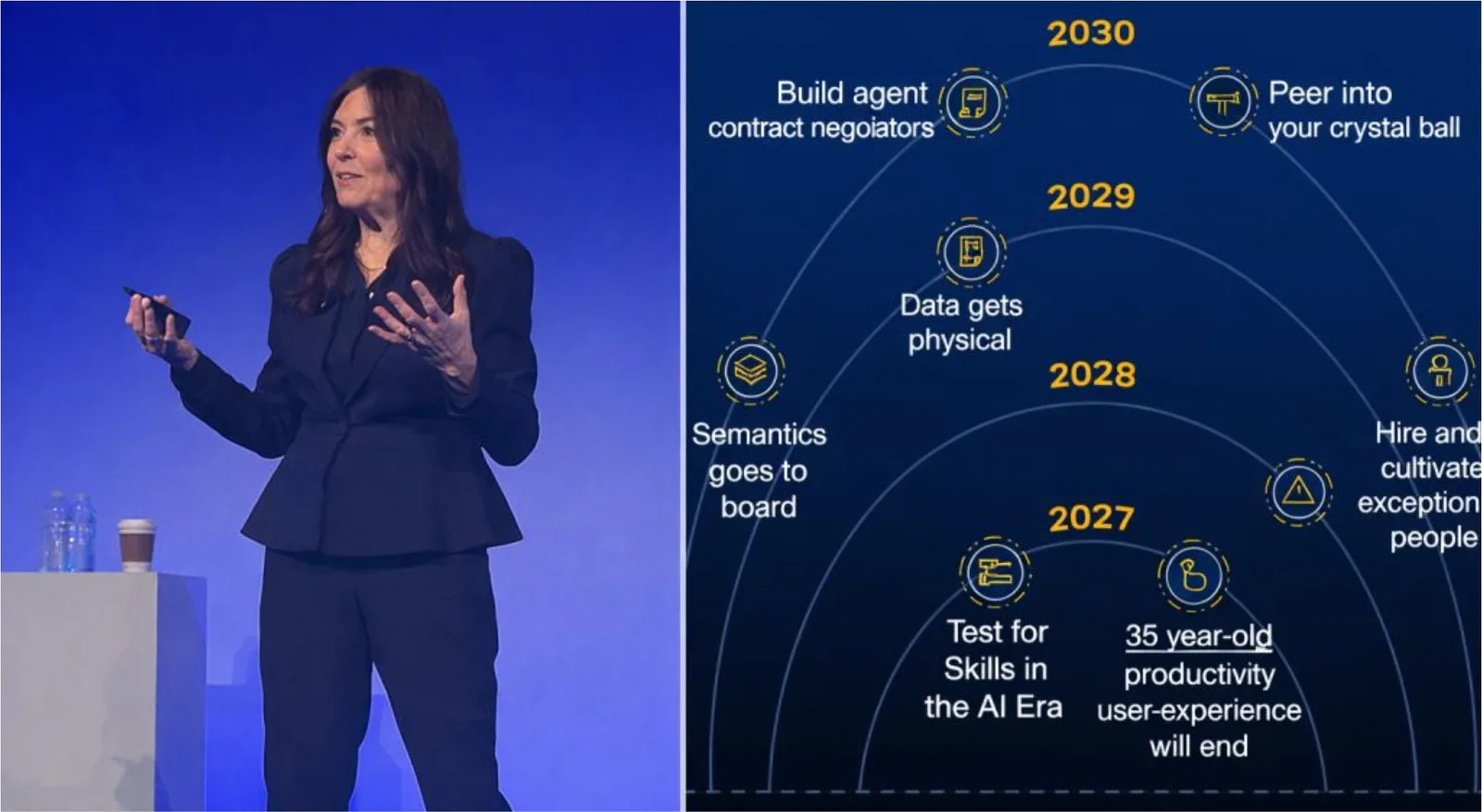
The Gartner data analytics predictions 2026 paint a picture of a fast-changing technology world where artificial intelligence is becoming deeply embedded in how organizations work. According to Gartner, AI will reshape leadership decisions, talent strategies, governance models, and even how data itself is created and managed. The shift is not just about smarter software. It’s about how humans and machines begin to collaborate in everyday work.
Rita Sallam, Distinguished VP Analyst at Gartner, says the pace of change in data analytics and AI innovation is so rapid that each year feels like entering a new chapter of a science-fiction story. Organizations are increasingly relying on data to guide decisions, while AI systems move from support tools to active collaborators. For enterprises and technology leaders, the predictions highlight a clear message: adapting quickly will be essential.
What Gartner data analytics predictions 2026 say about AI hiring
One of the most striking predictions focuses on talent. By 2027, 75% of hiring processes are expected to include testing or certification for AI proficiency. This reflects how AI capabilities are becoming a core workplace skill rather than a niche technical ability.
Gartner suggests leaders must measure AI-related skills more carefully and identify gaps that could slow down digital transformation. Without this shift in workforce strategy, organizations risk falling behind competitors that successfully combine human creativity with AI systems.
Generative AI could disrupt productivity software
Another major shift could impact the software tools many professionals use every day. Through 2027, Gen AI and AI agents may challenge mainstream productivity tools, triggering a market shake-up estimated at $58 billion.
Content creation is already changing. Instead of starting with a blank document, many workflows now begin with AI generating or synthesizing large volumes of information. Editing often involves guiding AI to refine the output rather than writing everything manually. For data analytics and AI trends, this signals a move toward new interfaces, plug-ins, and document formats built around AI-first workflows.
The physical world will generate massive AI data
Gartner also predicts a surge in data from AI systems interacting with the real world. By 2029, AI agents could generate ten times more data from physical environments than from digital AI applications. These agents capture trajectory data and environmental signals as they interact with real-world systems.
This type of data opens the door for advanced simulations and predictive models that learn from real-world behavior.
AI governance becomes critical
As AI adoption grows, governance will become a key challenge.
By 2030, half of organizations are expected to use autonomous AI agents to translate governance policies into machine-verifiable data contracts. This could automate compliance and policy enforcement across systems.
However, governance gaps could also create risks. Gartner predicts that 50% of AI agent deployment failures may happen due to weak governance or interoperability issues.
The recommendation for organizations is simple: experiment with governance agents in controlled environments before scaling them across operations.
A new wave of AI-driven startups
The predictions also hint at a new economic model.
By 2030, a new generation of AI-native companies may reach billion-dollar valuations while generating $2 million annual recurring revenue per employee. These startups are expected to grow rapidly by focusing on specific problems and embedding AI deeply into workflows.
Interestingly, Gartner also suggests that human skills will remain critical. Companies achieving strong differentiation with AI will likely be led by executives who prioritize human relationship and collaboration skills.
Data strategy becomes the real foundation
Another key insight from the Gartner data analytics predictions 2026 is the rising importance of semantic data layers.
By 2030, universal semantic layers may be treated as critical infrastructure, alongside cybersecurity and data platforms. These layers help maintain data consistency, reduce costs, and improve accuracy for AI systems.
For organizations building large AI ecosystems, this foundation could determine whether AI initiatives succeed or fail.
The future of work is human and AI together
The Gartner data analytics predictions 2026 highlight an important turning point in the technology landscape. AI is no longer just an analytical tool—it is becoming part of everyday decision-making, innovation, and operations.
For technology leaders and enterprises, the message is clear. Success in the future of work will depend on three things: strong AI skills, responsible governance, and a data strategy designed for AI-driven systems.
Organizations that prepare early may find themselves leading the next wave of digital transformation.
Read More:
FAIITA urges government to declare global memory and SSD shortage Force Majeure