/dqc/media/agency_attachments/2026/08/21/2026-08-21t061716244z-dq-channels-logojpg-2026-08-21-11-47-17.jpeg)

/dqc/media/media_files/2026/09/10/dq-channels-whatsapp-2026-09-10-17-07-48.png)

 Follow Us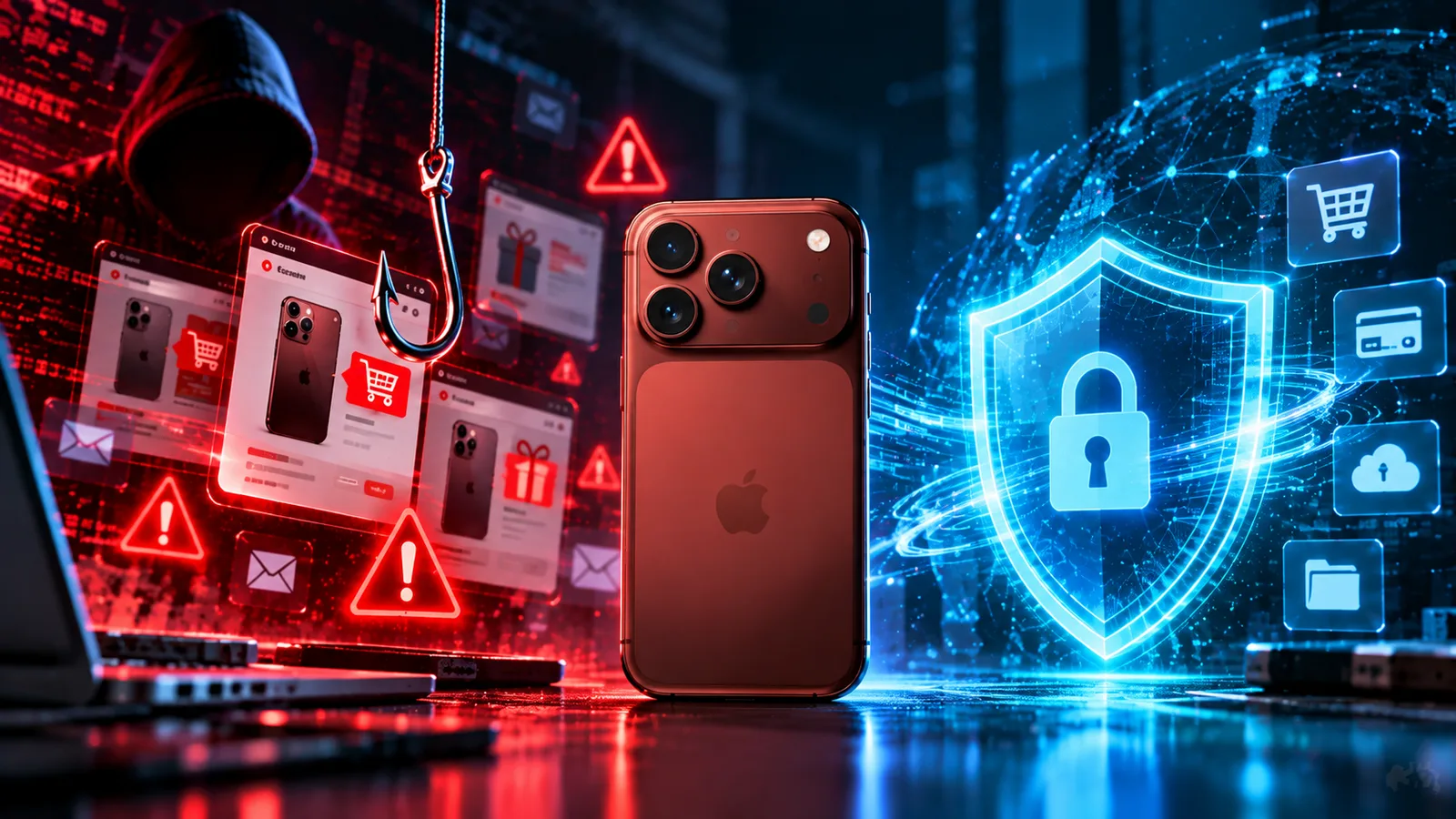
The launch of new iPhone 18 models has created the usual rush among buyers, but that attention is also giving cybercriminals an opportunity. Kaspersky has identified fake websites offering nonexistent iPhone 18 deals, with scam pages appearing in several languages.
The sites are built to look convincing. Some offer discounts, while others create the feeling of an early buying opportunity. The goal, however, is not to deliver a device. It is to collect personal and payment information or take the buyer’s money.
Fake iPhone deals turn excitement into a trap
One fake site offers iPhone 18 models with a 25% discount and even accepts Bitcoin as a payment option. Another site targeting users in Brazil promotes iPhone 18 Pro pre-orders in Portuguese and lists prices in Brazilian reals.
The warning signs go beyond the unusually attractive prices. The fake store offers colours that differ from those officially announced at launch and claims buyers can pay the remaining balance later. It also promises a full refund if an order is cancelled.
These details can make the offer look flexible and attractive, but they are also clues that buyers should stop and verify the seller.
Kaspersky scam alert highlights the data grab
The scam does not end with the supposed purchase. Users are asked for their full name, phone number, email address, city and WhatsApp details before being asked for bank card information.
That makes these iPhone 18 scams about more than fake shopping. The collected information could later be used in social engineering schemes, while payment details could expose victims to financial loss.
For consumers, the lesson is simple: excitement around a new product should not lower basic security checks. Kaspersky advises buyers to use official or reputable stores, check website URLs and spelling, and avoid offers that look too good to be true.
Kaspersky also recommends using dedicated virtual cards or payment services for online purchases, enabling multi-factor authentication and monitoring financial accounts for unusual activity.
Read More:
Fortinet joins Ingram Micro's Private Offers on AWS Marketplace
Aiven India launch puts AI-Ready data infrastructure first
The Next Productivity Leap Will Come From Automating Knowledge Work, Not Just Repetitive Tasks
Why OEMs Need to Rethink Cybersecurity as AI Accelerates Threats