/dqc/media/agency_attachments/2026/08/21/2026-08-21t061716244z-dq-channels-logojpg-2026-08-21-11-47-17.jpeg)

/dqc/media/media_files/2026/09/10/dq-channels-whatsapp-2026-09-10-17-07-48.png)

 Follow Us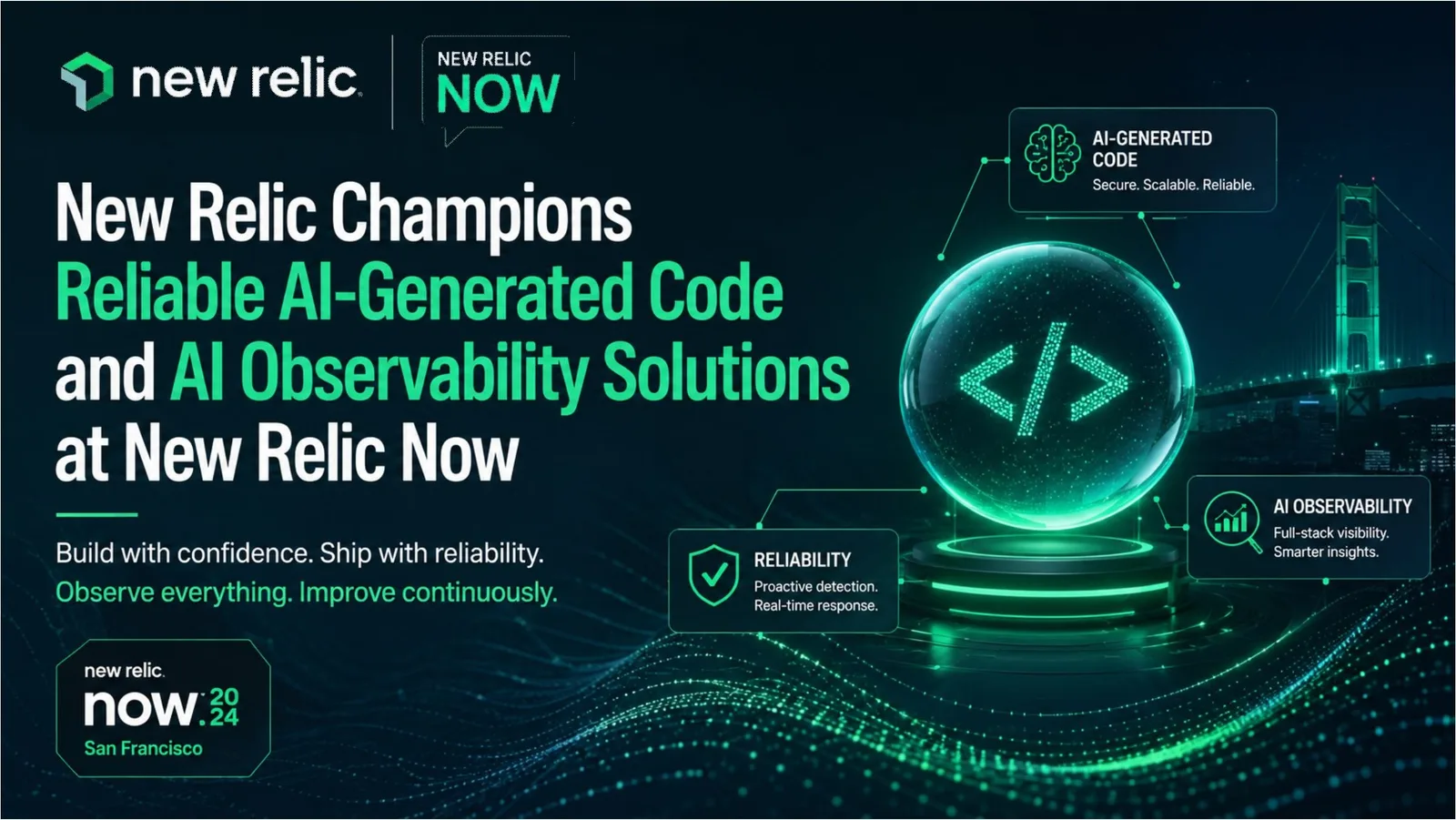
As AI becomes a bigger part of software development, enterprises are discovering that faster coding does not always translate into smoother operations. At its New Relic Now virtual event, New Relic unveiled new platform capabilities and research that point to a growing challenge: the gap between AI-assisted development and production reliability.
The announcement places New Relic AI Coding Observability at the centre of a broader conversation about how organisations can scale AI-driven software engineering without creating new operational risks.
AI Speeds Up Development, but Incidents Are Rising
According to New Relic’s 2026 State of AI Coding report, confidence in AI-generated code is high. The survey found that 94% of technology leaders believe AI-generated code appears higher quality during review.
However, the picture changes after deployment. Nearly 78% reported an increase in incidents once AI-generated code reached production. More notably, 62% of organisations said they deploy AI-generated code without verifying every line manually.
This trend has led New Relic to describe a new challenge called “agent debt” — the operational burden created when AI-generated code enters production without sufficient oversight.
Why Observability Is Becoming a Business Requirement
The findings suggest that enterprises are moving beyond the question of whether to use AI. The bigger challenge now is governing AI effectively.
New Relic argues that observability must become a core part of AI adoption. By combining real-time telemetry with historical operational data, organisations can gain visibility into how AI-generated applications behave in production and identify issues before they become major incidents.
The company believes this shift from blind trust to governed AI acceleration will be critical for maintaining uptime and protecting business outcomes.
New Tools Focus on Visibility and Control
To address these challenges, New Relic introduced Preflight, an open-source observability assistant for AI-assisted coding. The tool provides visibility into token usage, call volumes, cost forecasts, tool-selection quality, and replayable AI sessions.
The company also highlighted the general availability of several capabilities within its Intelligent Observability Platform, including: AI Observability for LLM application performance monitoring, ChatGPT Apps Monitoring, eBPF Network Metrics, New Relic Knowledge, Mobile Session Replay, and Notebooks for repeatable investigations
Together, these capabilities aim to help organisations monitor AI-driven applications more effectively while improving reliability and operational governance.
Building Reliable AI at Scale
The broader message from the event is clear: AI coding can accelerate innovation, but speed without visibility creates risk. As enterprises increasingly rely on AI-generated code, observability is becoming a foundational requirement rather than an optional layer.
For technology leaders, the challenge is no longer just adopting AI. It is ensuring that AI-generated software remains secure, reliable, and manageable at scale. New Relic’s latest strategy reflects an industry shift toward balancing AI productivity gains with stronger operational control.
Read More:
Kaizen Infoserve Tech Support Push Signals a New Era of AI-Driven Customer Service
L&T Technology Services Launches Ainfonix 4.0 for Process Industry Intelligence
Randstad India Appoints Narayan Iyer to Lead Next Phase of Talent Transformation
Acer Launches TravelLite to Address Growing Demand for AI-Ready Business Laptops