/dqc/media/agency_attachments/2026/08/21/2026-08-21t061716244z-dq-channels-logojpg-2026-08-21-11-47-17.jpeg)

/dqc/media/media_files/2026/09/10/dq-channels-whatsapp-2026-09-10-17-07-48.png)

 Follow Us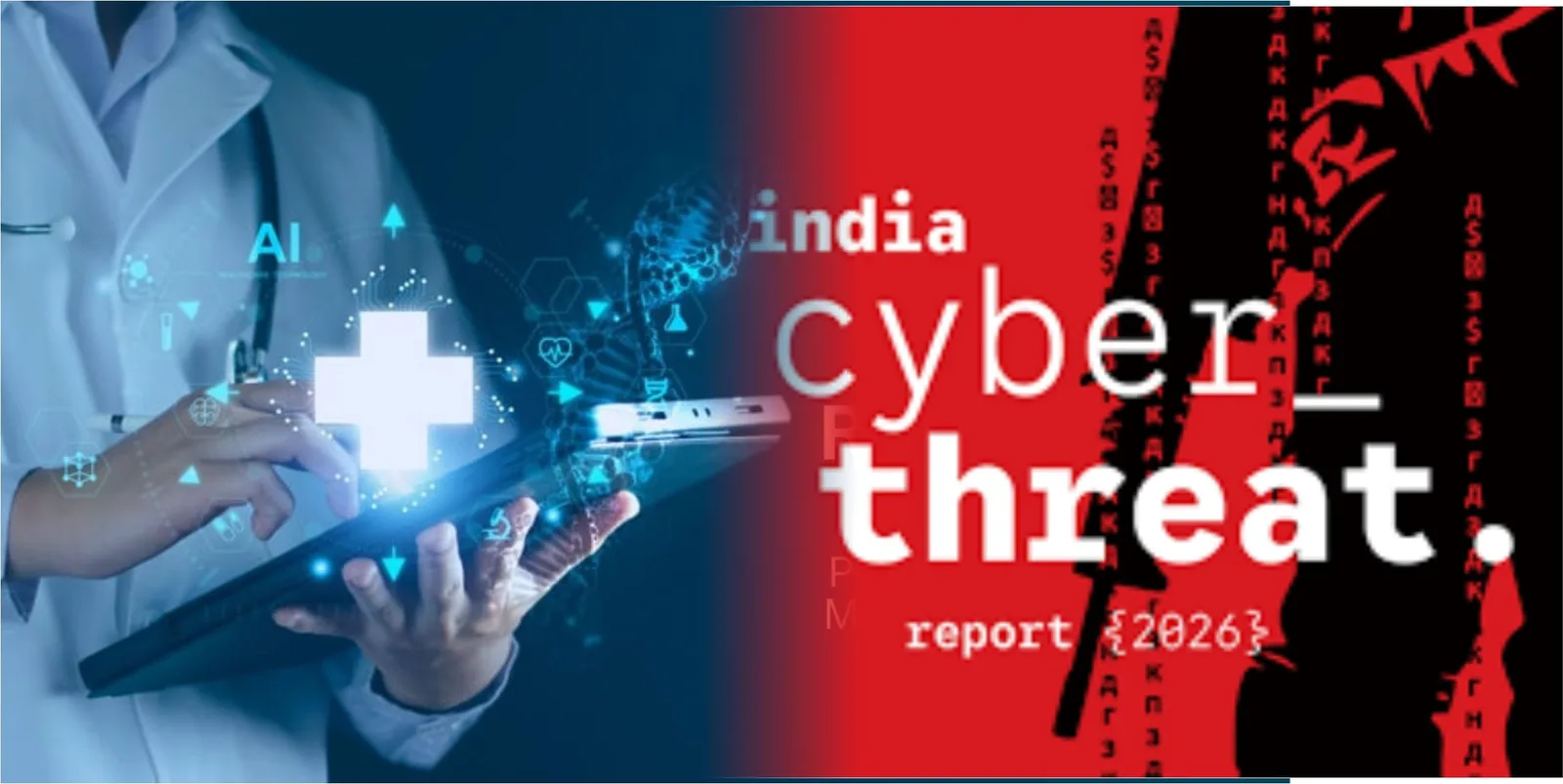
The India Cyber Threat Report 2026 brings an uncomfortable truth to the surface—India’s healthcare systems are under sustained cyber pressure. Hospitals and clinics, once seen purely as care centres, are now high-value targets. The report shows how cyberattacks are not just about data theft anymore. They are beginning to impact operations, decision-making, and ultimately, patient safety.
India Cyber Threat Report 2026 and the healthcare exposure
The report, based on data from over 8 million endpoints, highlights a clear pattern. Education, healthcare, and manufacturing together made up nearly half of all detections. Within this, healthcare and pharma alone accounted for 3.79 million detections. These Pharma data breach statistics India point to one thing, data-rich sectors are becoming the easiest targets. And healthcare sits right at the centre.
Why hospitals are becoming prime targets
Unlike financial data, healthcare data cannot be reset. Patient records include: Medical histories, diagnostic reports, Insurance details, and personal identification data. Once exposed, this data stays exposed. This permanence makes it highly valuable for cybercriminals. It fuels fraud, extortion, and long-term misuse.
More importantly, it creates real-world risks. A compromised system can delay diagnosis. A manipulated report can impact treatment decisions. This is where Cyberattacks on Indian hospitals move from IT issues to life-impacting events.
The nature of attacks is evolving
The report points to a clear shift in attack patterns. Trojans and file infectors made up nearly 70% of attacks, remote access malware targeted pharma R&D and clinical data, and ransomware, though smaller in volume, caused major disruption Many attacks entered through familiar routes—phishing, exposed systems, and supply chain gaps. Simple entry points and high impact.
Compliance is no longer optional
With the DPDP Act, 2023, healthcare organisations are now classified as Data Fiduciaries. This changes everything. They are expected to ensure lawful data processing, capture explicit consent, and protect sensitive patient data at every stage. In this context, Seqrite DPDP compliance solutions are positioned as part of a broader shift, where cybersecurity aligns directly with regulatory needs.
A shift from protection to resilience
What emerges from the India Cyber Threat Report 2026 is not just a rise in attacks, but a shift in priorities. Cybersecurity is no longer about preventing breaches alone. It is about ensuring operational continuity, protecting patient outcomes, and building systems that can respond and recover
Final takeaway
The India Cyber Threat Report 2026 is a signal, not just a statistic. Healthcare is becoming one of the most targeted sectors. And the risks are no longer limited to data, they extend to real-world care. For organisations, the focus now must shift from defence to readiness. Because in healthcare, every second, and every syste, matters.
Read More: