/dqc/media/agency_attachments/2026/08/21/2026-08-21t061716244z-dq-channels-logojpg-2026-08-21-11-47-17.jpeg)

/dqc/media/media_files/2026/09/10/dq-channels-whatsapp-2026-09-10-17-07-48.png)

 Follow Us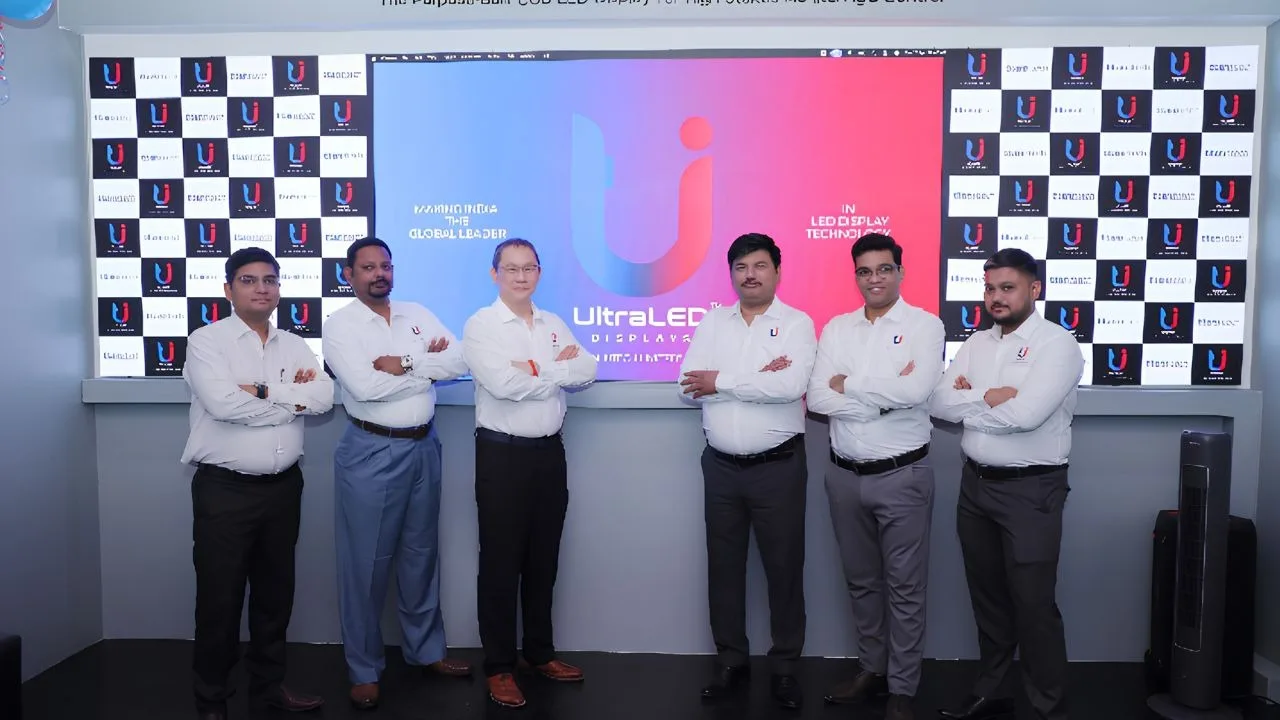
The launch of the UltraLED Mumbai Experience Centre is not just another expansion announcement. It reflects a deeper shift in how enterprise buyers approach technology decisions today. With two centres launched within a week, the company is moving fast, but the intent goes beyond scale. It is about changing how decisions are made, moving from static evaluation to real-world interaction where businesses can see, test, and understand before they invest.
From showroom to real-world testing ground
Set up in Navi Mumbai, the centre works less like a showroom and more like a working environment. Enterprise customers, partners, and decision-makers can explore display technologies through live demonstrations and real application scenarios. This matters because display infrastructure is no longer a simple purchase. It sits at the centre of operations in control rooms, retail spaces, and public infrastructure, where performance and reliability directly affect outcomes.
Why hands-on experience is becoming critical
This is where the UltraLED Mumbai Experience Centre fits into a larger trend. As the demand for Indoor LED video walls Mumbai and enterprise AV systems grows, businesses are looking for clarity, not just specifications. Seeing solutions in action reduces uncertainty and shortens decision cycles. It also allows organisations to align technology choices more closely with their operational needs, rather than relying only on vendor claims or documentation.
The push towards local manufacturing
The centre also reflects a broader industry shift towards localisation. In a market long influenced by imports, the push for Made in India LED display manufacturing is becoming more visible. UltraLED’s portfolio on display, including COB, SMD, and transparent technologies, signals an attempt to build confidence in locally engineered solutions. This is not just about manufacturing, but about creating a complete ecosystem of support, service, and engagement within the country.
Expansion with a clear intent
At the same time, the expansion roadmap tells its own story. With more centres planned across cities like Hyderabad, Bengaluru, and Kolkata, the company is building a distributed engagement model. This approach brings technology closer to regional markets, strengthens partner collaboration, and improves accessibility for enterprises that want faster, more informed decision-making environments.
What this means for the industry
For the broader ecosystem, especially among Active LED display brands in India, this move highlights a subtle but important shift. The focus is moving from selling products to enabling decisions. Experience, trust, and support are becoming just as important as technology specifications. In a competitive market, this change could influence how vendors position themselves and how enterprises evaluate long-term investments.
Closing thought
In the end, the UltraLED Mumbai Experience Centre is less about the space itself and more about what it represents. It shows that the real battleground is no longer just product innovation, but how effectively companies help customers understand and adopt that innovation. And in that shift, experience may become the most powerful differentiator.
Read More:
What does India's data centre growth mean for enterprise scalability and efficiency
Sonata Software new CEO marks a steady shift toward AI-led growth, with leadership transition
Infinite Uptime PlantOS 2.0 launch signals big shift, and here's why it matters
Inside the rise of managed cyber security services and recurring growth