/dqc/media/agency_attachments/2026/08/21/2026-08-21t061716244z-dq-channels-logojpg-2026-08-21-11-47-17.jpeg)

/dqc/media/media_files/2026/09/10/dq-channels-whatsapp-2026-09-10-17-07-48.png)

 Follow Us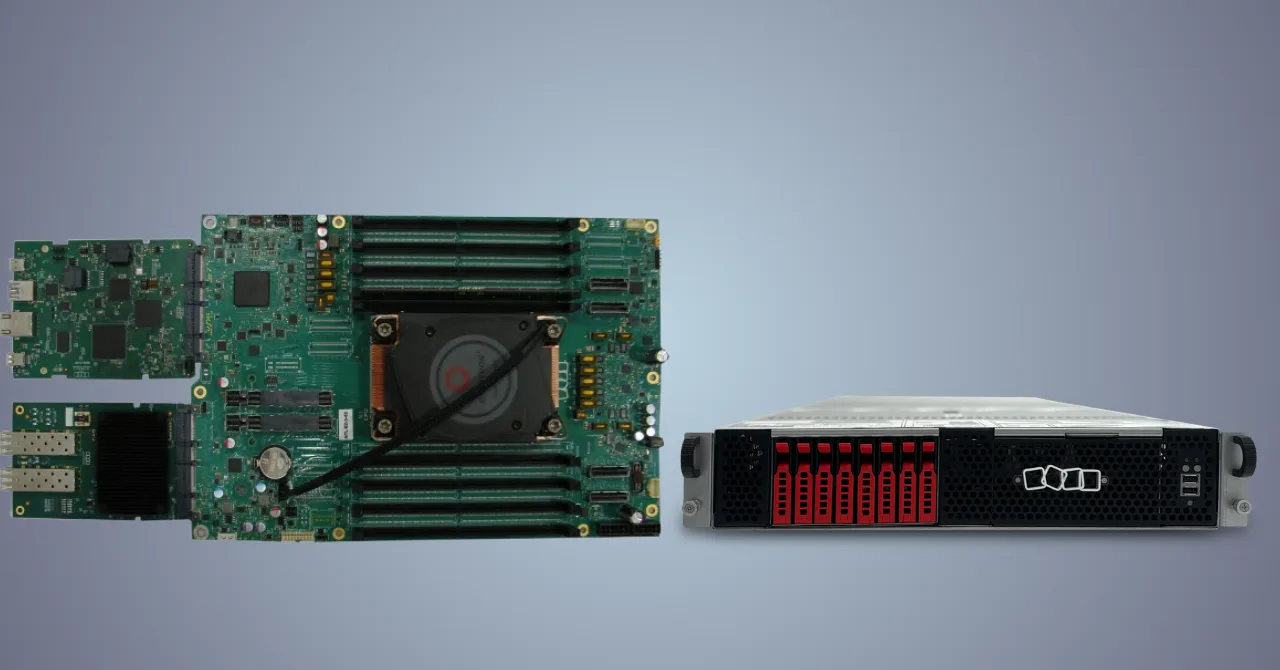
India’s technology sector has spent decades building software for the world. Now, Zoho is taking a different route. With the launch of the Zoho Nathu La server, the company is moving deeper into the technology stack, bringing hardware design into a journey that has largely been driven by software innovation.
The announcement is more than a product launch. It reflects a long-term effort to build technology capabilities within India, from engineering talent to intellectual property ownership.
A Server Designed in India
Developed through more than five years of research and development, Nathu La was designed by Zoho’s team in Nagpur and built around Intel Xeon 6 processors. According to the company, the platform delivers equivalent performance while reducing power consumption by 12-18% and lowering total cost of ownership by 20-30%.
The server is aimed at workloads such as virtualisation, AI inference, high-performance computing, and storage applications. Zoho says the design includes customised power delivery systems, an in-house Data Centre Secure Control Module, and modular chassis options that can support different deployment needs.
A notable aspect is that key components, including the DC-SCM and NIC, were designed internally and assembled through Indian EMS partners. The company has also filed more than five patents related to thermal management and cost-efficient server architecture.
Building More Than Hardware
The launch fits into Zoho’s broader strategy of owning and optimising its entire technology stack.
The company plans to run its applications on the Nathu La platform, allowing tighter integration between hardware and software. This approach could help reduce operating costs, improve performance, strengthen data governance, and lower AI inference costs.
The design follows principles from the Open Compute Project server design India ecosystem, focusing on modularity, maintenance simplicity, and efficiency. For data centers, that translates into meaningful gains around sustainability and operational costs.
Why Talent Development Matters
One of the more interesting parts of the story sits outside the server itself.
The R&D effort was powered by engineers trained through SETU, Zoho’s skilling initiative in Nagpur. The program focuses on electronics system design and manufacturing and has already trained more than 300 students.
The SETU skilling program Zoho Nagpur reflects the company’s belief that advanced engineering talent can be developed outside traditional technology hubs. Employees from the initiative contributed directly to projects, including Nathu La.
A Step Toward Technology Sovereignty
The launch also highlights a growing focus on reducing dependence on externally owned infrastructure technologies. With indigenous intellectual property, local engineering expertise, and domestic assembly, Zoho positions the platform as a step toward greater technological self-reliance.
As organisations look for ways to balance performance, cost, and control, the Zoho Nathu La server represents more than a new hardware platform. It shows how Indian companies are beginning to participate in a layer of technology that has long been dominated by global players.
For the industry, the message is clear: software may remain India’s strength, but the next chapter could increasingly be written in hardware as well.
Read More:
CrowdStrike 2026 Threat Report: Why foundational AI Models are Cybercriminals' top target
How AMD's AI strategy is opening new growth avenues for channel partners
ShepHertz Appoints Anuraag Kochhar to Drive Enterprise AI Growth
Hitachi Vantara Unveils Midrange Systems Strategy at India & SAARC Partner Summit 2026