Harness AI Software Delivery fixes what DevOps missed

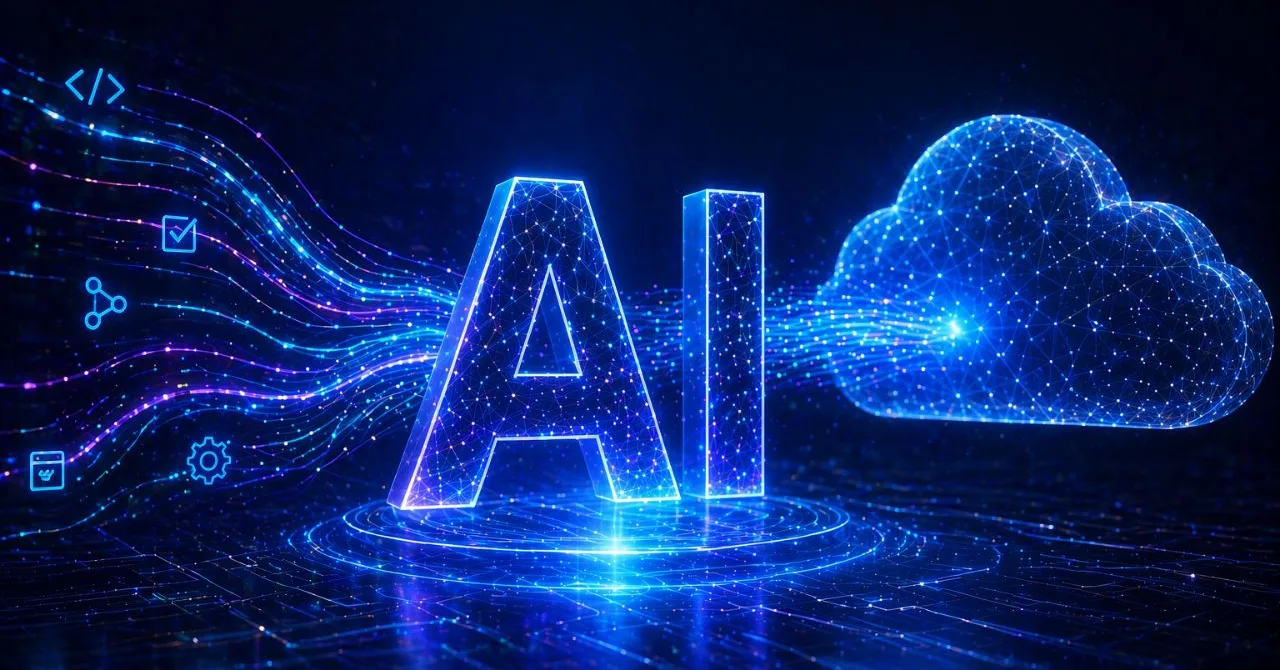
The Harness AI Software Delivery announcement highlights a core issue that many teams quietly struggle with. Modern software environments are complex, but the data that explains them is scattered across tools, pipelines and systems.
As AI adoption grows in engineering workflows, this fragmentation becomes a serious limitation. AI agents can only act on what they see. And right now, they are often working with incomplete information, leading to slower decisions and potential risks. This is where Harness is focusing its effort, closing the visibility gap rather than just adding more automation.
Bringing everything into one view
Through the Harness Google Cloud integration, the company is combining its Software Delivery Knowledge Graph with Google Cloud’s Developer Connect. The goal is simple but powerful—create a unified, AI-ready view of the entire software delivery lifecycle.
This brings together deployment logs, runtime data and application dependencies into a single, continuously updated model. Instead of switching between tools, teams can now rely on one connected view that reflects the real state of their systems. For AI, this changes everything. With complete context, it can move from guesswork to informed decision-making.
Smarter AI, not just faster AI
The real shift comes in how Agentic AI in DevOps begins to function with this setup. Instead of reacting to isolated signals, AI agents can now understand relationships across systems, trace issues back to their source and recommend actions based on full visibility.
When problems occur, engineers no longer need to manually connect the dots. The system can identify root causes, link them to specific components and even map them to responsible teams. This reduces time spent diagnosing issues and increases confidence in the fixes. It also means AI is no longer just assisting. It is actively participating in operations with better awareness.
Security and control remain central
While the integration focuses on visibility and intelligence, it also keeps security in check. Data sharing between Harness and Google Cloud is governed by enterprise-grade access controls, ensuring that information flows within defined boundaries.
This balance is important. As systems become more connected and AI-driven, maintaining control over data access becomes just as critical as improving performance.
Expanding the collaboration further
The partnership goes beyond integration. The Harness MCP Server Gemini capability now allows users to access Harness features directly within Google’s Gemini Enterprise environment. This brings software delivery intelligence closer to where teams already interact with AI tools.
It reflects a deeper trend. AI is not just being added to workflows. It is being embedded into existing platforms where decisions are made.
A step towards more reliable AI-driven delivery
The Harness AI Software Delivery move is less about adding new features and more about fixing a foundational problem. Without context, AI cannot deliver reliable outcomes. With it, speed and accuracy begin to align.
For enterprises, the takeaway is clear. As AI becomes central to DevOps, the focus must shift from automation alone to visibility and understanding. Because in the end, better decisions do not come from faster systems. They come from smarter ones.
Read More:
Managed security services: How Acronis Is transforming partner ecosystems
ICM CEO Appointment brings Bhupendra Jha in the picture, signalling new transition
New Relic AWS Marketplace crosses USD 1 billion, but there’s more to the real shift
Hitachi Vantara Sustainability Report reveals AI energy shift




 2 Min read