HP showcases AI PCs and enterprise AI strategy with Delta IT Network

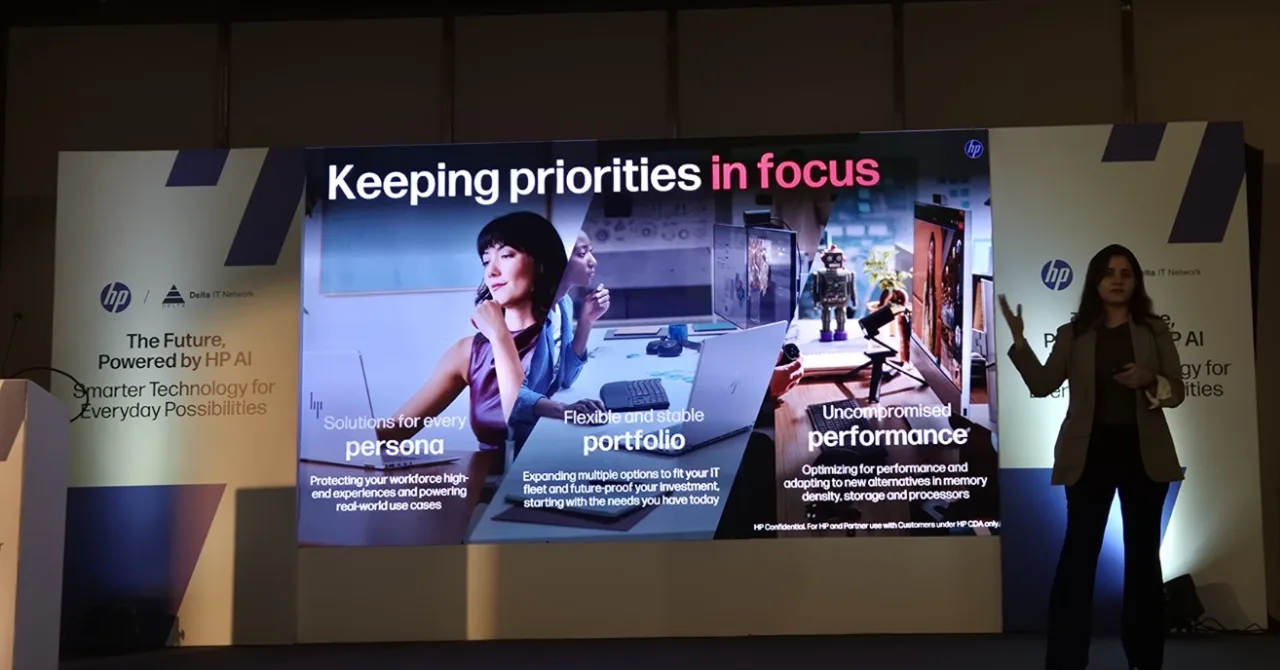
HP, in collaboration with Delta IT Network, brought together enterprise customers, CIOs and IT decision-makers at Pride Plaza, New Delhi, to showcase its latest commercial computing portfolio and explain how artificial intelligence is reshaping enterprise endpoints, workplace productivity and IT management.
The event focused on HP's strategy of bringing AI closer to users through AI PCs, intelligent software and enterprise services rather than treating AI as a cloud-only capability. Company executives highlighted that while AI has existed for years in applications such as navigation and recommendation engines, the emergence of AI PCs is moving AI processing to the device itself through dedicated Neural Processing Units (NPUs).
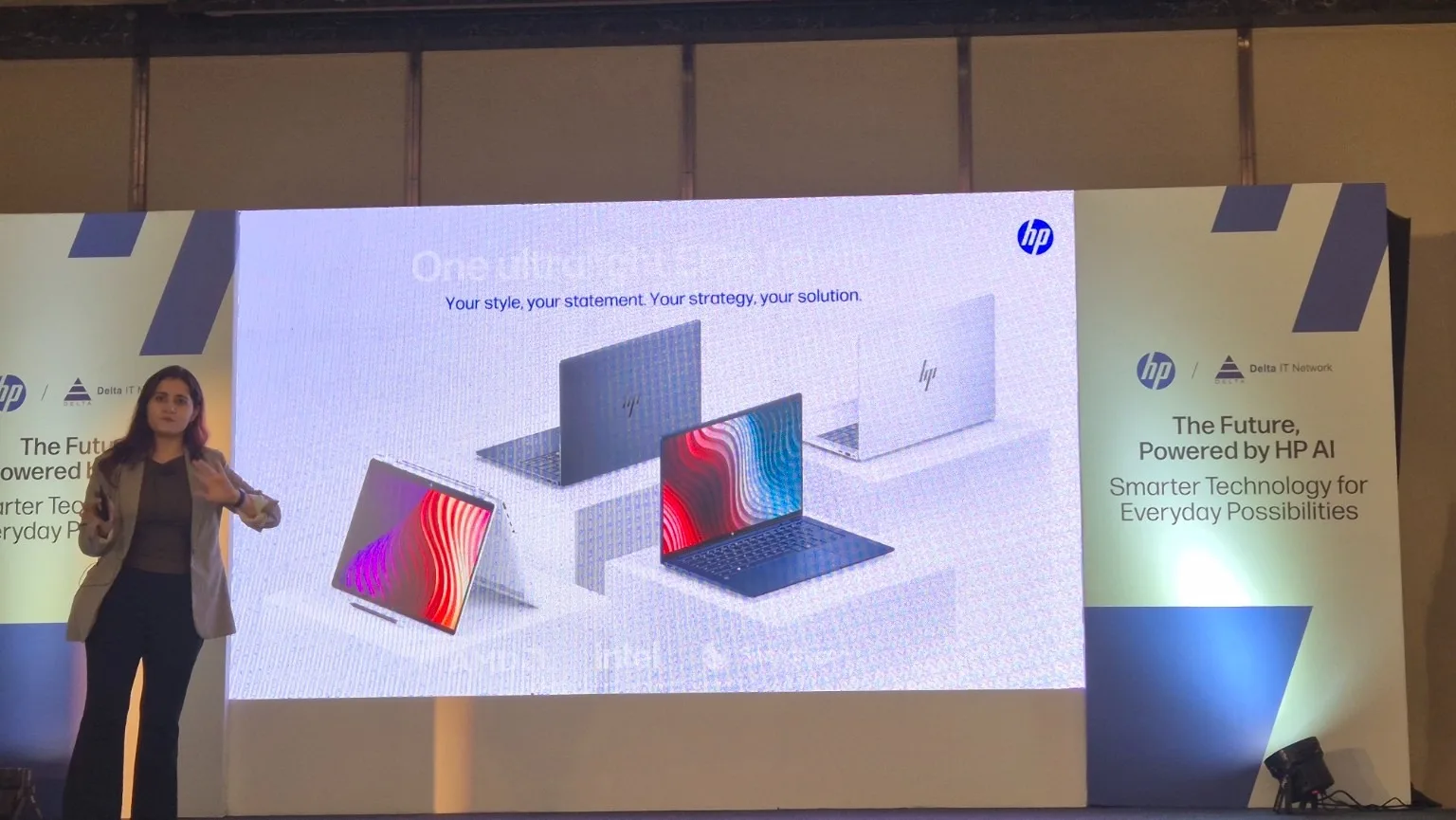
HP showcased its refreshed 2026 commercial portfolio, including the HP 200 Series, ProBook, EliteBook and AI-powered notebook families designed for different enterprise workloads. The demonstrations also covered new AI-enabled collaboration features such as gesture controls, Poly Camera Pro, AI-powered video enhancements and privacy capabilities aimed at supporting hybrid work environments.
HP positions AI PCs beyond hardware
A key message throughout the event was that HP's AI strategy extends beyond laptops. The company demonstrated an ecosystem comprising AI-powered PCs, collaboration tools, workforce management software, security and enterprise services designed to improve both employee experience and IT operations.
Executives also presented the HP Workforce Experience Platform (WXP), which provides IT teams with a unified dashboard to monitor device health, user experience and endpoint performance. According to HP, organisations often rely on fragmented management tools, making it difficult for IT teams to identify issues before they affect users. WXP is intended to provide greater visibility while helping IT departments move from reactive to proactive device management.
Security was another major theme. HP explained its hardware-enforced approach to endpoint protection, where web links and downloaded files can be isolated to reduce exposure to malicious content. The company stressed that its focus is on strengthening endpoint resilience rather than replacing broader cybersecurity platforms.
Alongside AI capabilities, HP highlighted sustainability initiatives across its commercial portfolio, including lighter GaN chargers, increased use of recycled materials, modular product designs and packaging improvements aimed at reducing environmental impact.
The event also featured HP's AI workstation portfolio, including systems designed for developers and enterprises running AI workloads locally. Company executives outlined a hybrid AI approach that combines cloud computing with on-device processing, allowing organisations to choose the most appropriate environment for different workloads.
For Delta IT Network, the event provided an opportunity to engage directly with enterprise customers and demonstrate how the latest HP portfolio can address evolving workplace requirements. Through product demonstrations and technical discussions, attendees explored use cases spanning enterprise productivity, collaboration, endpoint security and AI adoption.
The event reflected HP's broader strategy of integrating AI across commercial devices, software and services while working with channel partners such as Delta IT Network to help enterprises adopt these technologies.
Read More:
Why Dell believes AI PCs need consultative selling, not hardware transactions
How cloud transformation is becoming a business strategy conversation
OVHcloud sees managed services replacing traditional cloud resale in India
Why managed detection and response will define the future of cybersecurity partners



 2 Min read