
LOGIC PhiBonacci Interactive Display redefines classroom experience

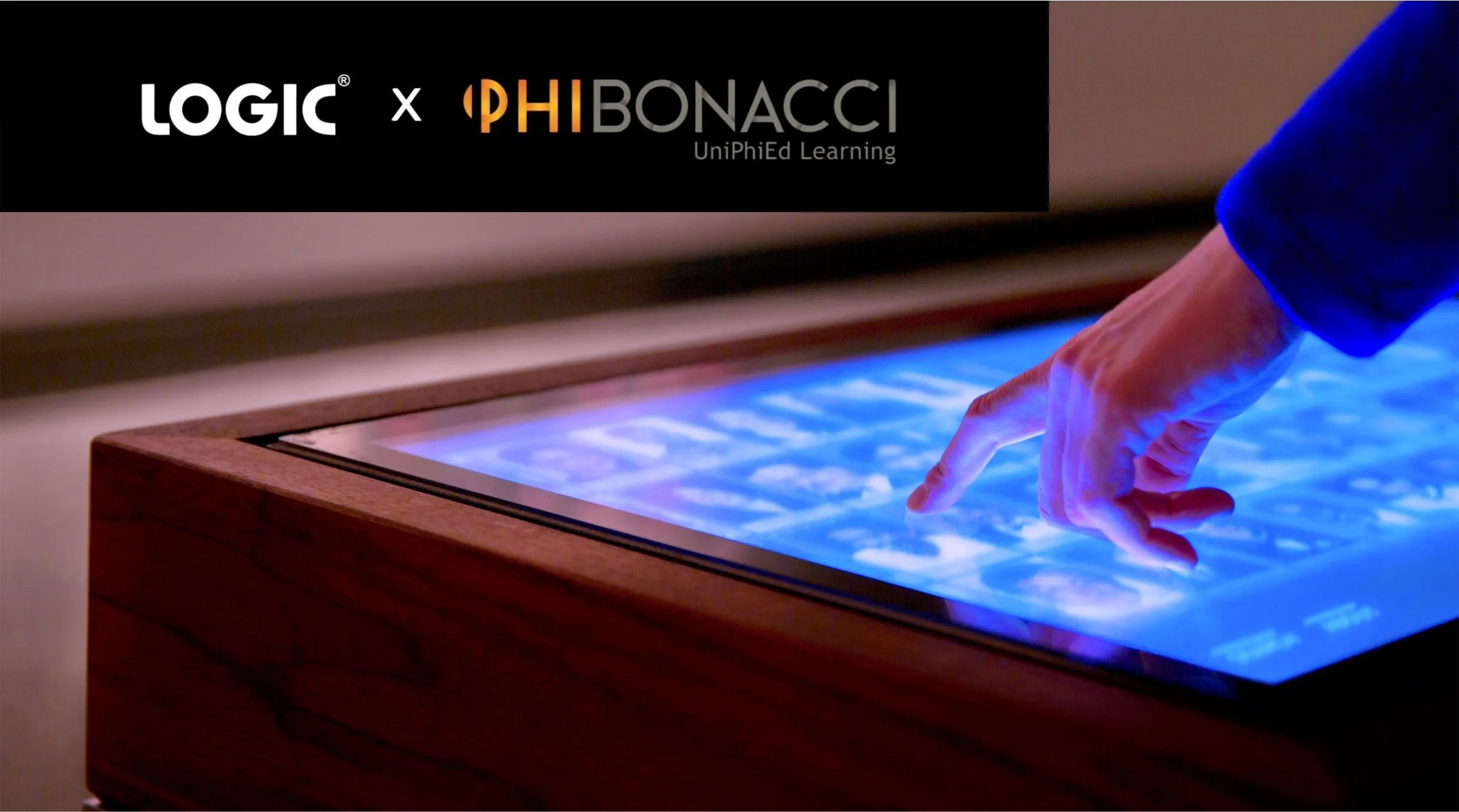
The integration of PhiBonacci’s 3D simulation ecosystem into the LOGIC PhiBonacci Interactive Display marks a clear shift in how digital classrooms are evolving. Instead of relying on flat, two-dimensional simulations, this move focuses on making learning more immersive, interactive, and closer to real-world experiences.
At a time when STEM education is moving towards hands-on understanding, the ability to deliver complex concepts through a single screen without additional hardware changes how classrooms operate at a basic level.
Closing the gap between 2D content and real experience
For years, classrooms have struggled with a simple problem. Simulations were either too basic or too heavy to run smoothly without expensive setups. This partnership addresses that gap by embedding PhiBonacci’s uniPhi myClass STEM software directly into the display.
With over 3,000 simulations optimized for high-performance systems, the LOGIC PhiBonacci Interactive Display removes lag and external dependencies. The result is a seamless experience where teachers can move from explanation to demonstration instantly, without technical interruptions slowing things down.
From screens to virtual labs in real time
What stands out is how the display transforms into a Virtual STEM Lab for Schools 2026, where experiments and models can be explored without physical limitations. Whether it is a heart dissection or a complex physics simulation, everything runs natively on the system.
This shift also reflects the rise of 3D Simulation Integrated Display India solutions, where hardware and software are no longer separate layers but part of a single, unified experience designed for classrooms.
LOGIC PhiBonacci Interactive Display aligns with NEP learning goals
The LOGIC PhiBonacci Interactive Display also fits closely with the experiential learning focus of NEP 2020. By combining a high-performance Interactive 4K Display for NEP 2020 with multi-touch capability, it allows students to interact directly with concepts instead of passively viewing them.
The outcome is not just better engagement but more consistent teaching quality across classrooms, where the same level of experience can be delivered without depending on physical lab infrastructure.
What this means for institutions going forward
The LOGIC PhiBonacci Interactive Display highlights a broader direction in education technology, where simplicity and capability are being brought together. Schools no longer need to invest in complex setups or additional systems to deliver advanced learning experiences.
Instead, the focus shifts to outcomes. Better understanding, higher engagement, and scalable digital infrastructure that can grow with evolving learning needs. In that sense, this integration is less about adding features and more about removing barriers between teaching and real understanding.
Read More:
Why NetApp is embedding Elastio into its ransomware resilience service?
AWS Qlik Diamond Sponsorship 2026 connects AI with action
TO THE NEW’s Databricks Brickbuilder Silver Partner leap decoded
Digitide AMS Pioneer Partner status in Tricentis ecosystem sharpens AI-led testing



 2 Min read