/dqc/media/agency_attachments/2026/08/21/2026-08-21t061716244z-dq-channels-logojpg-2026-08-21-11-47-17.jpeg)

/dqc/media/media_files/2026/09/10/dq-channels-whatsapp-2026-09-10-17-07-48.png)

 Follow Us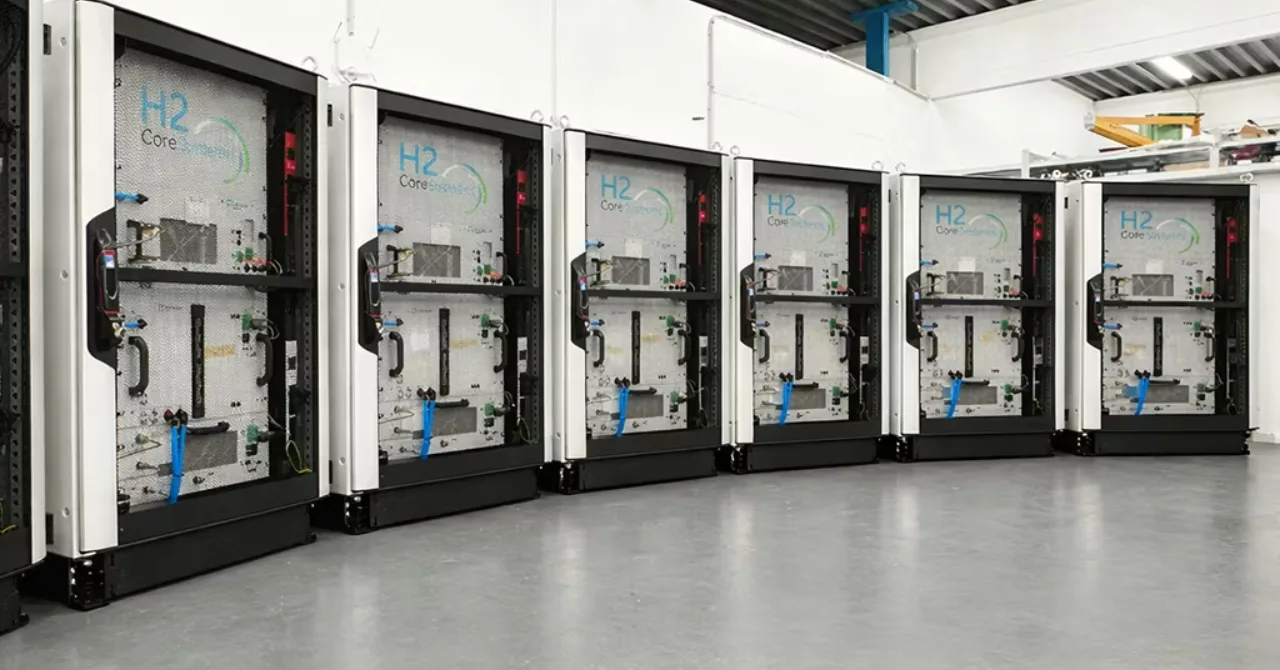
Siemens is positioning its Siemens Xcelerator H2 Core Systems collaboration as an example of how software-driven engineering is changing the pace of clean energy deployment. The partnership focuses on helping H2 Core Systems, a Germany-based startup building modular hydrogen energy systems, accelerate both design and manufacturing through digital workflows and automation.
The company is using Siemens’ Designcenter X Solid Edge software and Teamcenter Share collaboration tools to fully digitize its product development process. According to the announcement, this workflow has helped reduce production time by 50 percent while improving design and customization cycles by 20 percent. For a sector where flexibility and deployment speed are becoming increasingly important, those gains highlight how digital infrastructure is becoming central to energy innovation.
Decentralized Green Hydrogen Production 2026 Is Driving Modular Energy Demand
The larger opportunity behind the project reflects a growing shift toward decentralized green hydrogen production 2026 strategies. Instead of depending entirely on centralized power systems, companies like H2 Core Systems are building modular energy solutions that can operate closer to where energy is actually needed.
Founded in 2019 and based in Heide, Germany, H2 Core Systems develops configurable hydrogen-based production, storage, and energy systems that combine electrolysis, compression, fuel cells, and storage technologies. The systems are designed to integrate with solar and wind infrastructure, allowing cleaner and more self-sufficient energy generation in both on-grid and off-grid environments.
The company says the digital collaboration enabled by Siemens Xcelerator has improved communication across engineering, sales, production, and documentation teams, helping shorten development timelines and support faster customization for customers.
Siemens S7 1200 Compact PLC Automation Supports Faster Scaling
Beyond software, the project also highlights the role of industrial automation in hydrogen infrastructure development. H2 Core Systems is using Siemens S7 1200 compact PLC automation alongside TIA Portal software to manage the operational complexity of its energy systems.
This integration allows the company to automate production and system controls more efficiently while supporting scalable manufacturing processes. Siemens framed the approach as a way to reduce production errors, simplify engineering workflows, and help distributed teams collaborate more effectively across projects.
According to Joe Bohman, Executive Vice President of PLM Products at Siemens Digital Industries Software, the broader goal is to allow companies to visualize and refine products digitally before production begins, helping reduce time, cost, and complexity.
Autonomous Solar Hydrogen Fuel Cell System Shows Real-World Potential
One of the strongest examples shared in the announcement involved an autonomous solar hydrogen fuel cell system developed for a school in Niger. The project uses solar energy to split water into hydrogen and oxygen, stores the green hydrogen, and later converts it back into electricity when needed.
The system was presented as an independent, emission-free alternative to unstable power grids and diesel-based energy supply chains. More importantly, it showed how modular hydrogen systems could support energy access in regions where traditional infrastructure remains unreliable.
For Siemens Xcelerator H2 Core Systems, the announcement reflects more than a software deployment story. It signals how digital engineering, automation, and modular energy design are beginning to merge into a faster and more adaptable model for clean energy infrastructure.
Read More:
Epson EcoTank 2026 models challenge printing habits
How IBM India strengthens AI partner ecosystem with hybrid cloud strategy