
Epson EcoTank 2026 models challenge printing habits

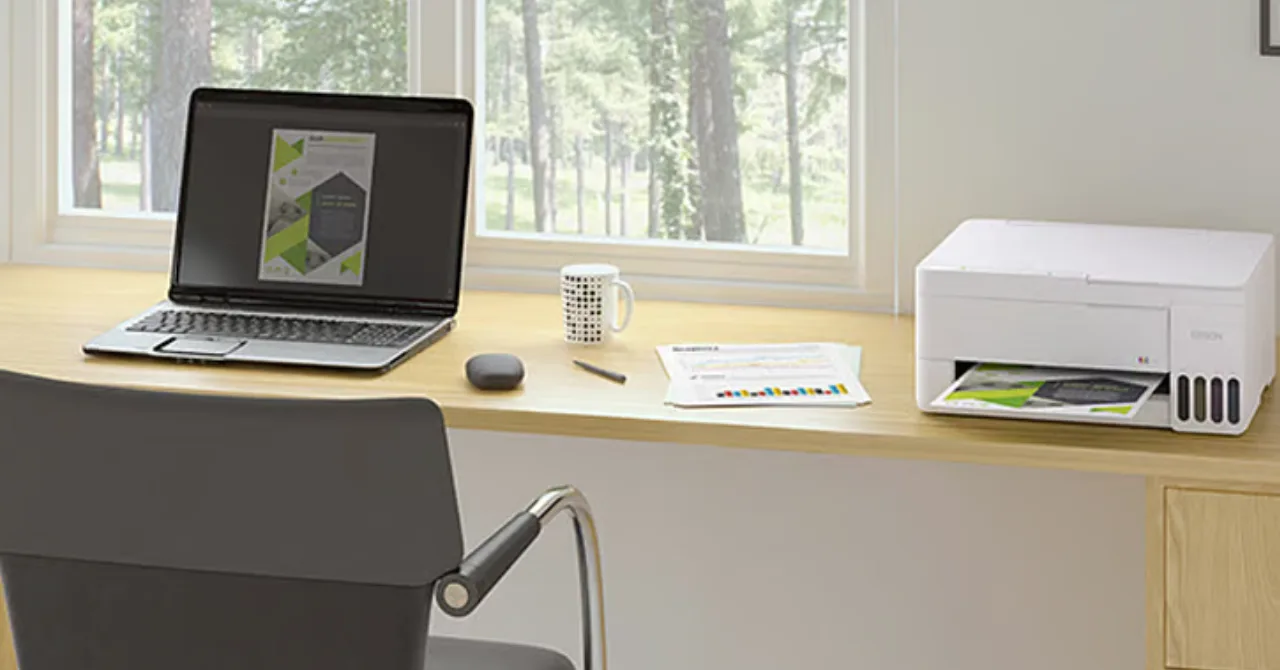
Epson is trying to change how households and home office users think about printing with the launch of its latest EcoTank 2026 models, the ET-1910, ET-2910, and ET-2911. The company’s latest push is centered on a simple but increasingly relevant argument: while consumers often focus on upfront printer prices, the long-term cost of cartridges, toner, and maintenance continues to quietly add up.
The new EcoTank lineup positions refillable ink tank systems as an alternative to traditional cartridge and laser printers, especially at a time when many users are looking more closely at recurring household expenses. Rather than depending on small consumables that require frequent replacement, Epson’s approach focuses on high-capacity ink systems designed for extended use.
Epson ET-2910 review focuses on convenience over complexity
Among the new launches, the ET-2910 and ET-2911 stand out as multifunction devices offering print, copy, and scan capabilities alongside wireless connectivity. The models support Wi-Fi, Wi-Fi Direct, and Apple AirPrint, reflecting how home users increasingly expect printers to work seamlessly across phones, laptops, and connected home networks.
The Epson ET-2910 review narrative emerging from the launch is less about premium features and more about reducing everyday friction. Epson is emphasising simpler refills, fewer interruptions, and less maintenance compared to both cartridge and laser systems.
The ET-1910, meanwhile, takes a more straightforward approach as a print-only device aimed at users looking for reliability and lower operating costs without added complexity.
Epson heat-free technology explained through efficiency and sustainability
The company’s larger message goes beyond affordability. Epson Heat-Free technology, explained through the EcoTank platform, highlights the company’s focus on reducing consumables and simplifying printer maintenance over time.
Each printer ships with enough ink to print thousands of pages, helping reduce replacement cycles and ongoing supply purchases. Epson says users can save up to 90% on printing costs compared to cartridge-based printers, while also avoiding the higher replacement expenses often linked with laser toner systems.
That positioning reflects a broader industry trend where consumers are becoming more aware not only of operational costs but also of sustainability and waste reduction. By reducing cartridge dependency and lowering plastic waste, EcoTank is being positioned as a more environmentally conscious printing option for homes and small businesses.
A shift toward practical, long-term printing
The launch of the Epson EcoTank 2026 models shows how printer manufacturers are increasingly shifting the conversation from hardware pricing to long-term ownership value. Families, hybrid workers, and small businesses are now weighing convenience, maintenance, and ongoing consumable costs more carefully than before.
With compact designs, wireless functionality, and refillable systems, Epson’s latest EcoTank devices reflect a growing demand for printing solutions that are easier to manage over time. Instead of pushing high-volume upgrades or complex features, the company is focusing on a simpler promise, helping users print more while spending and wasting less.
Read More:
How IBM India strengthens AI partner ecosystem with hybrid cloud strategy
Saviynt Identity control plane eyes enterprise AI risks






 2 Min read