
The real story behind HPE AI factories and NVIDIA grid

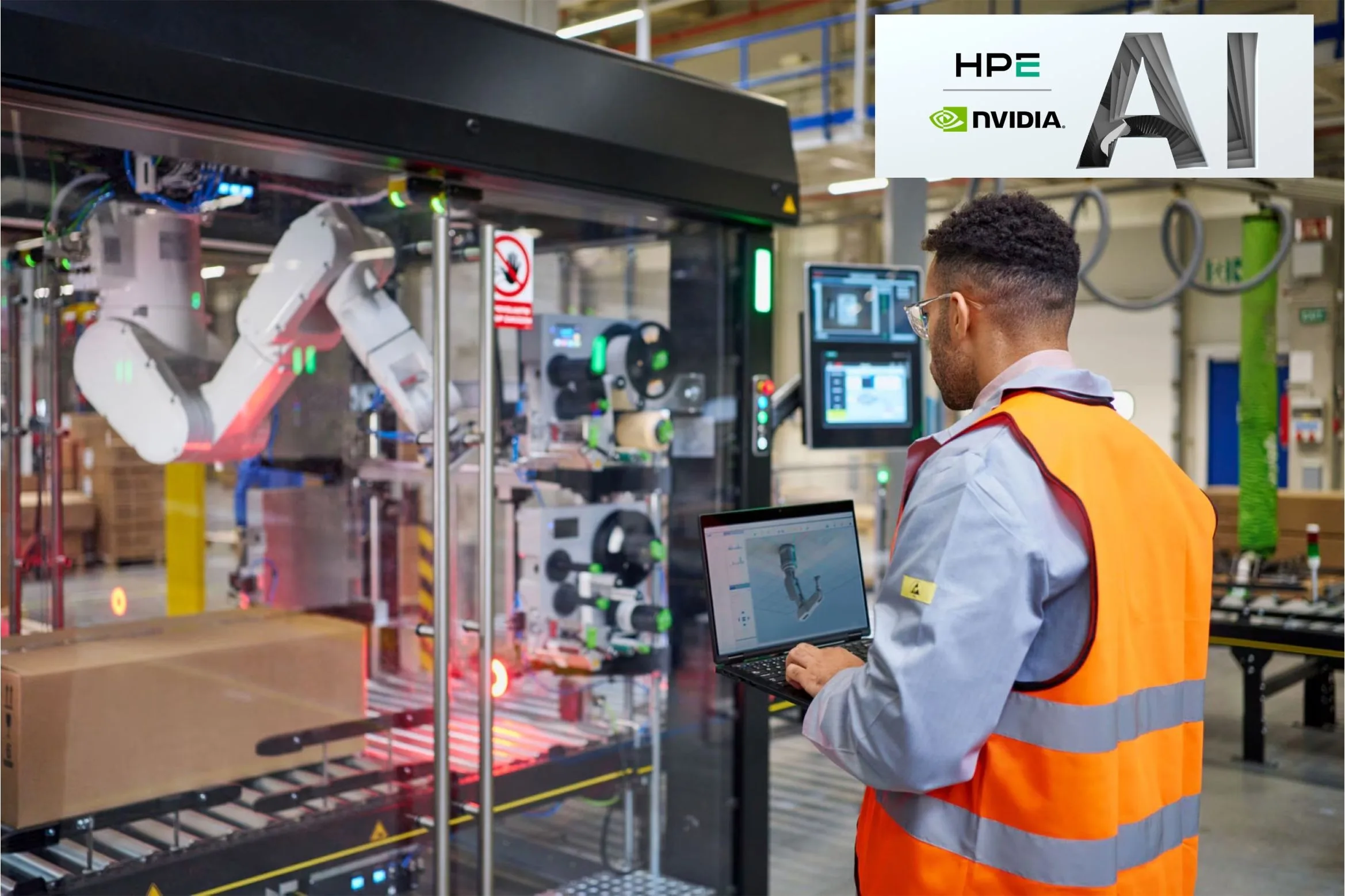
The idea of HPE AI factories is starting to look different. Instead of one centralised system, the focus is shifting toward distributed intelligence, and the newly announced HPE AI Grid reflects that change in a very practical way.
At a basic level, the platform connects AI factories and distributed inference clusters across regions and edge locations, turning what were once separate deployments into a single, coordinated system. The goal is simple but important—bring AI closer to where data and users actually exist, rather than forcing everything through a central hub.
From centralised AI to distributed intelligence
AI-native applications today demand speed, and not just any speed, but predictable and ultra-low latency performance. That becomes difficult when systems are spread out and loosely connected. The HPE AI Grid addresses this by creating a unified infrastructure layer that ties together distributed environments into one intelligent fabric.
Built on NVIDIA AI infrastructure, the solution combines compute, networking, and orchestration into a full-stack approach. It allows service providers to deploy thousands of inference sites while still managing them as one system, which changes how scale is handled in real-world scenarios. This is where the idea of Distributed AI factories becomes more than just a concept. It becomes deployable.
A full-stack approach to AI deployment
What stands out is how tightly integrated the system is. The HPE AI Grid brings together routing, security, orchestration, and compute into a single framework, reducing the complexity that usually comes with large-scale AI deployments.
On the infrastructure side, it combines telco-grade networking with edge and rack servers powered by accelerated computing, including GPUs, DPUs, and high-performance networking components. On the operations side, it introduces zero-touch provisioning, automated lifecycle management, and built-in security, all designed to reduce manual effort and speed up deployment timelines.
This alignment within the HPE NVIDIA partnership AI ecosystem suggests a clear direction, AI infrastructure is moving toward unified stacks rather than fragmented layers.
Real-world use cases begin to emerge
The practical applications are already visible. Service providers can use existing sites with power and connectivity and convert them into AI-ready nodes, enabling new services such as retail personalisation, predictive maintenance, and edge healthcare solutions.
Early trials are also showing how this plays out. Distributed networks are being tested for real-time inferencing, including small language model deployments for AI-powered front desk services in small business environments. These examples may seem narrow, but they highlight how AI is moving closer to everyday operations.
What this means for the ecosystem
The larger signal is not just about performance, but about control and flexibility. By distributing AI workloads across edge, regional, and central environments, organisations can balance cost, latency, and performance more effectively.
For telecom players and service providers, this opens up new opportunities to build intelligent services on top of their existing infrastructure. It also reduces dependency on centralised systems, making AI deployments more resilient and scalable.
The takeaway
The HPE AI factories vision is quietly evolving. It is no longer about building bigger systems in one place, but about connecting many smaller ones into a unified, intelligent network.
The HPE AI Grid captures that shift clearly. It turns distributed infrastructure into a coordinated system, enabling faster responses, lower latency, and new service models. The change may not look dramatic at first glance. But in how AI gets delivered, it changes almost everything.
Read More:
Inside the Amadeus TCS global strategic partnership
Cross-border capital: Why global structuring is becoming critical for Indian founders
Kore.ai Agent Management Platform reshapes enterprise AI oversight







 2 Min read