
Tim Cook steps down as Apple charts new leadership era

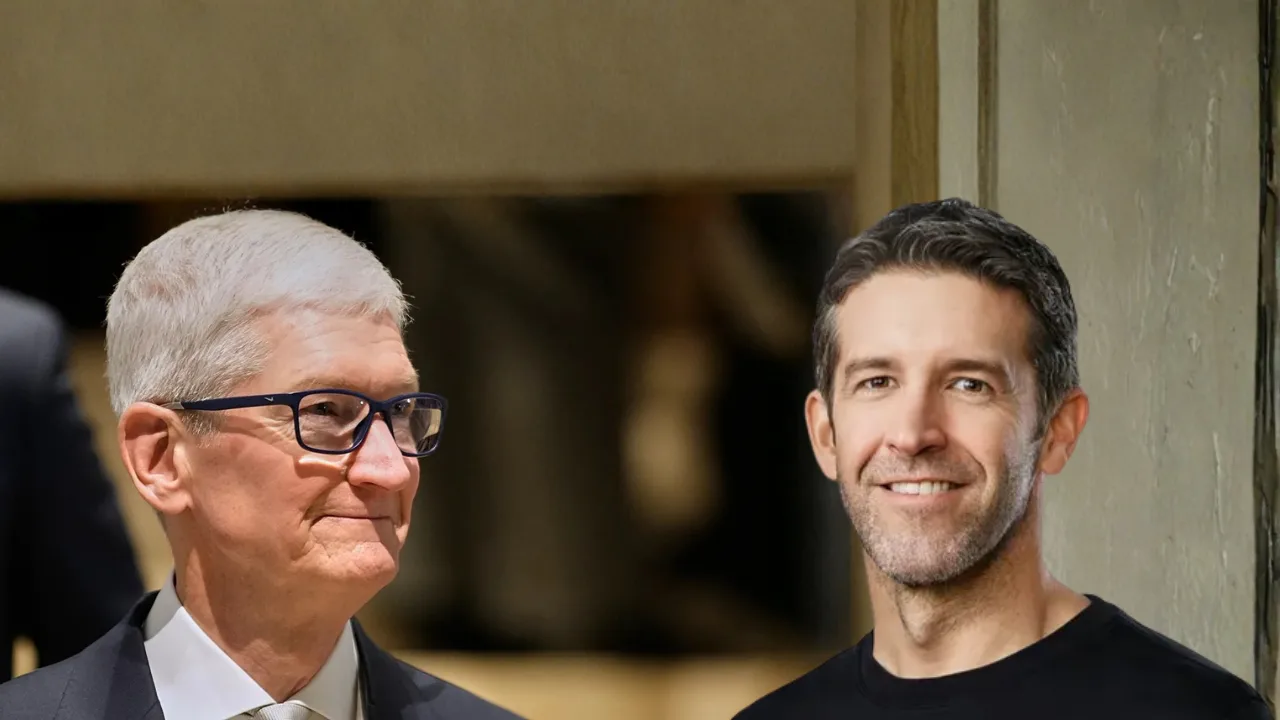
Tim Cook steps down as CEO, but not entirely away from Apple. The transition, effective September 1, 2026, signals a carefully planned shift rather than a sudden move. Cook will take on the role of executive chairman, staying involved while passing operational control to John Ternus. This move reflects a long-term succession strategy, not a reaction to short-term pressures.
Cook’s continued presence suggests stability. At the same time, it opens the door for a new leadership style to shape Apple’s next phase. The Apple leadership transition 2026 is less about change at the top and more about continuity with evolution.
From operations to innovation leadership
Cook’s journey since 2011 has been marked by scale. Under his leadership, Apple’s market value grew more than tenfold, and revenue nearly quadrupled. The company expanded globally, deepened its services business, and built new product categories like wearables and spatial computing.
His focus on privacy, sustainability, and accessibility also became defining pillars. These were not side initiatives but central to how Apple positioned itself in the market. Moving into the chairman role, Cook is expected to stay connected to policy and broader strategic conversations, keeping these values intact.
John Ternus steps into a different kind of challenge
John Ternus brings a very different background. An engineer at heart, he has spent over two decades shaping Apple’s hardware. His work spans across iPhone, Mac, iPad, and AirPods, giving him deep visibility into Apple’s product core. This naturally raises questions around the future of iPhone under John Ternus and how product thinking may evolve.
His leadership has already influenced areas like durability, materials innovation, and product performance. From redesigned iPhones to advancements in Mac systems, Ternus has been closely tied to Apple’s hardware strategy. Now, as CEO, he moves from building products to defining the company’s direction.
A shift that could reshape Apple’s priorities
This transition may subtly shift Apple’s internal focus. While Cook balanced operations, services, and expansion, Ternus represents a stronger push towards product engineering. That does not mean a complete change in direction, but it could bring sharper attention to hardware innovation and design-led thinking.
The continuity is still clear. Ternus has worked under both Steve Jobs and Tim Cook, absorbing different leadership styles. His appointment suggests Apple is not looking for disruption, but for a steady evolution that builds on its existing strengths.
Continuity with a new lens
The decision that Tim Cook steps down as CEO marks a significant moment, but not a disruptive one. Apple appears to be choosing continuity, guided by experience, while slowly introducing a new perspective through Ternus.
For the industry, this signals something important. Leadership changes at this level are not just about people. They shape how companies think, build, and grow. Apple’s next chapter may not look drastically different at first, but the subtle shifts in focus could define its future in the years ahead.
Read More:
India Singapore Semiconductor Collaboration builds trusted chip corridor
Acer India Government Sales Head Appointment signals deeper enterprise push
OVHcloud and Alchemy Web3 Partnership signals a shift, changing developer priorities
From resale to resilience: AI reshapes the channel partner value story







 2 Min read