
Vertiv and Nvidia reshape AI using Vertiv converged physical infrastructure

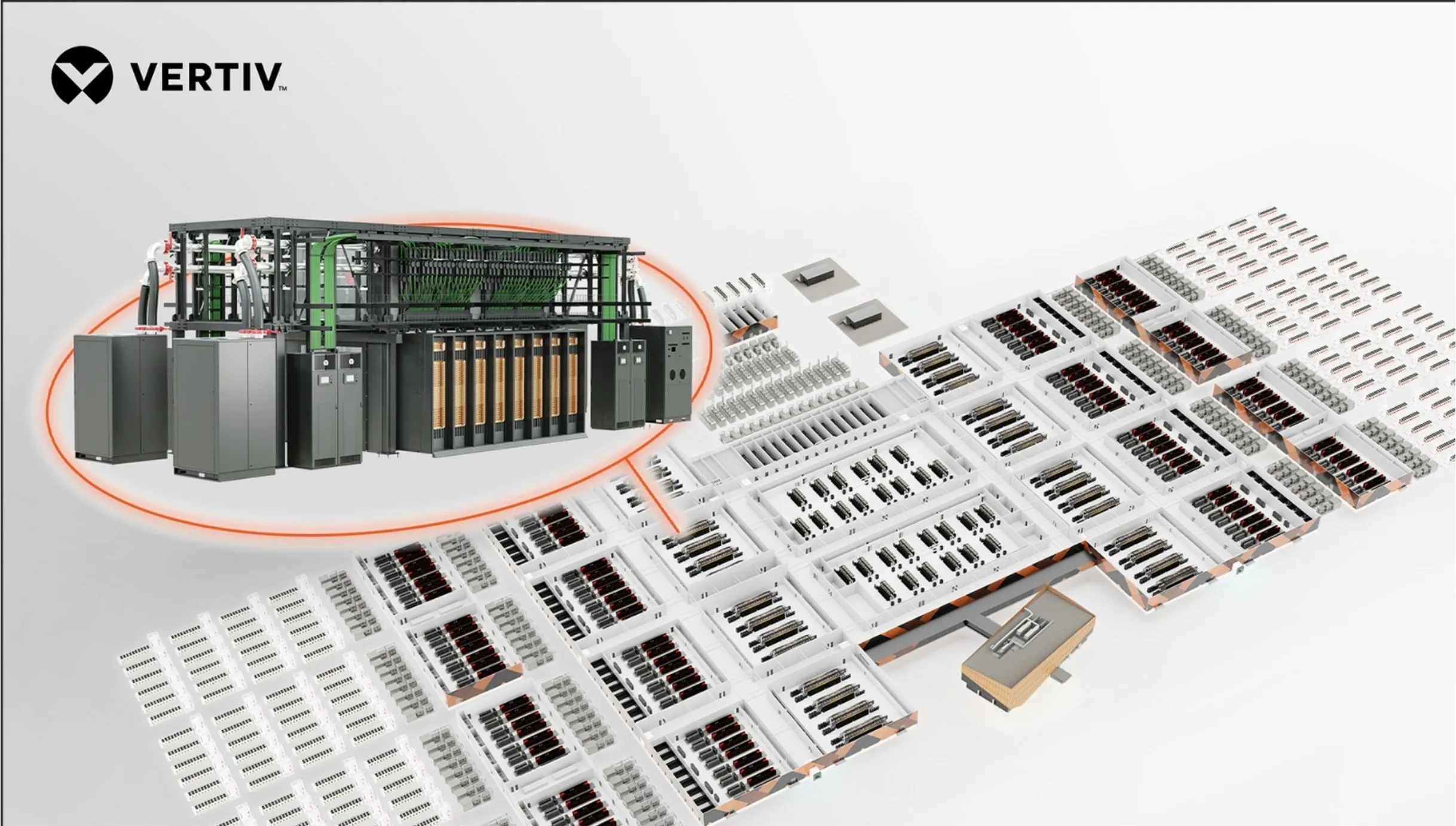
AI infrastructure is changing fast. Not just in size, but in how it is built. Vertiv’s latest move around Vertiv converged physical infrastructure signals something deeper. The industry is quietly shifting from fragmented setups to tightly integrated, simulation-led environments. And that shift could define how AI scales next.
From complex systems to connected ecosystems
AI factories today are not simple deployments. They are dense, power-hungry, and deeply interconnected. What used to be separate layers, power, cooling, and controls now need to work as one system. This is where Vertiv’s approach stands out. Instead of stitching components together late in the process, it brings everything into a unified design from the start. The result is simple in theory: fewer surprises, better coordination, and more predictable outcomes.
Why simulation is becoming the starting point
One of the more interesting shifts is the use of simulation before anything physical is built. With tools like the DSX SimReady component, operators can model infrastructure behaviour early. In the context of NVIDIA’s Vera Rubin DSX architecture, this becomes even more critical, as infrastructure must align tightly with high-performance AI workloads.
That means testing power loads, cooling efficiency, and system interactions before deployment even begins. This changes the game. It reduces trial and error on site, speeds up validation cycles, and cuts down integration risks.
Modular blocks are solving a scaling problem
Scaling AI infrastructure has always been messy. Every expansion brings new variables. Vertiv’s answer lies in standardisation. The use of 12.5MW infrastructure blocks creates a repeatable model that can grow from smaller clusters to massive AI factories. It is a practical idea. Build once and replicate many times. This not only speeds up deployment but also improves consistency across sites. For enterprises and hyperscalers, that consistency translates into easier operations and better performance tracking.
Speed matters more than ever
In AI, delays are costly. Not just financially, but competitively. The focus on reducing Time to First Token highlights this urgency. Faster deployment means faster model training, faster insights, and quicker business outcomes. By combining modular design with simulation-driven validation, Vertiv is targeting exactly this pressure point, getting systems up and running with fewer delays.
A quiet shift in infrastructure thinking
What stands out is not just the technology, but the mindset change. The move is clear. It is shifting from isolated systems to integrated environments, from reactive fixes to predictive validation, and from custom builds to repeatable infrastructure. This is less about innovation for its own sake and more about control at scale.
The takeaway
AI factories will continue to grow and that is certain, what is changing is how they are built. The Vertiv converged physical infrastructure approach shows that future-ready deployments will depend on integration, simulation, and modular thinking working together. For organisations planning large-scale AI, this is not just an upgrade. It is a new foundation.
Read More:
Why Data Security is the strongest link in modern supply chains
Samsung Galaxy Book6 Series Launch Packs AI and RTX 5070 Power







 2 Min read