India’s AI infrastructure squeeze

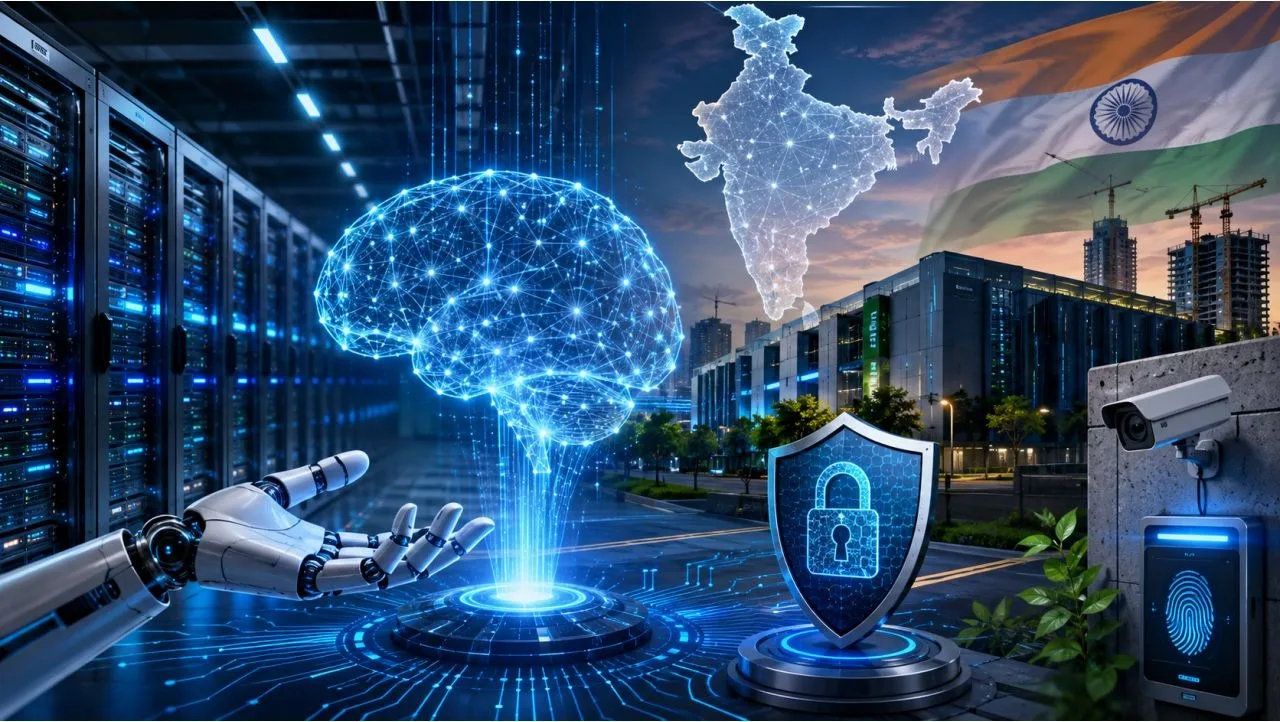
India’s AI push is running into a very physical problem. Enterprises may want more AI compute, but can their datacentres power it, cool it and secure it? That question is changing the AI infrastructure opportunity. For VARs, SIs and MSPs, the next phase may be less about selling more compute and more about fixing what sits around it.
AI runs into power and cooling limits
The numbers show how quickly the pressure is building. Average datacentre rack density has jumped from 16 kW in 2025 to 27 kW in 2026. AI deployments, however, are moving towards 50–70 kW racks, while newer systems can reach 246 kW. Only one in five operators says it is ready for this shift.
Simply adding capacity will not solve the problem. New power connections can take three to four years or longer — potentially longer than building the datacentre itself.
Cooling is another pinch point. Cooling Distribution Unit lead times have stretched from 12–16 weeks to 40–60 weeks. Retrofitting an existing facility for liquid cooling can cost USD 2 million to USD 5 million per MW. For VARs and SIs, this creates a clear opening: help enterprises make existing datacentres AI-ready and get more from available power.
Sovereignty brings AI closer
Another shift is happening around data control. Under the DPDP Act and related regulations, storing data in India may not provide full digital sovereignty if encryption keys remain under foreign control, particularly with overlapping laws such as the US CLOUD Act.
This is pushing some midmarket firms towards controlled on-premise AI for local inference, giving them greater control over proprietary models and regulated data such as Aadhaar and PAN while addressing DPDP, RBI and CERT-In requirements.
Security becomes a managed challenge
Then comes security. India is recording more than 505 cyber incidents every minute, while CERT-In requires incident reporting within six hours. Yet the country faces a shortage of roughly one million cybersecurity professionals.
Building an internal SOC can cost Rs 1.5–2.5 crore annually, making it difficult for many companies with fewer than 2,000 employees. Managed security services are consequently projected to grow 15.1 per cent in 2026 to USD 1.44 billion.
The real AI opportunity
These are not separate trends; they feed each other. AI needs denser infrastructure. Density demands power and cooling. Sovereignty brings some AI workloads on-premise. Those workloads need round-the-clock security.
That is the message for India’s channel ecosystem: AI may create the demand, but infrastructure will decide how far it can scale. The opportunity is moving from selling AI compute to solving the power, cooling, control and security challenges surrounding it.
Read More:
Fortinet acquires Virtue AI, secures agentic AI
AWS Builder expands to Hyderabad with permanent tech hub
Xebia and OpenAI partnership takes enterprise AI further
Beyond implementation: How AI could reshape Liferay partner revenue






 2 Min read