
Why ESG is reshaping the future of manufacturing

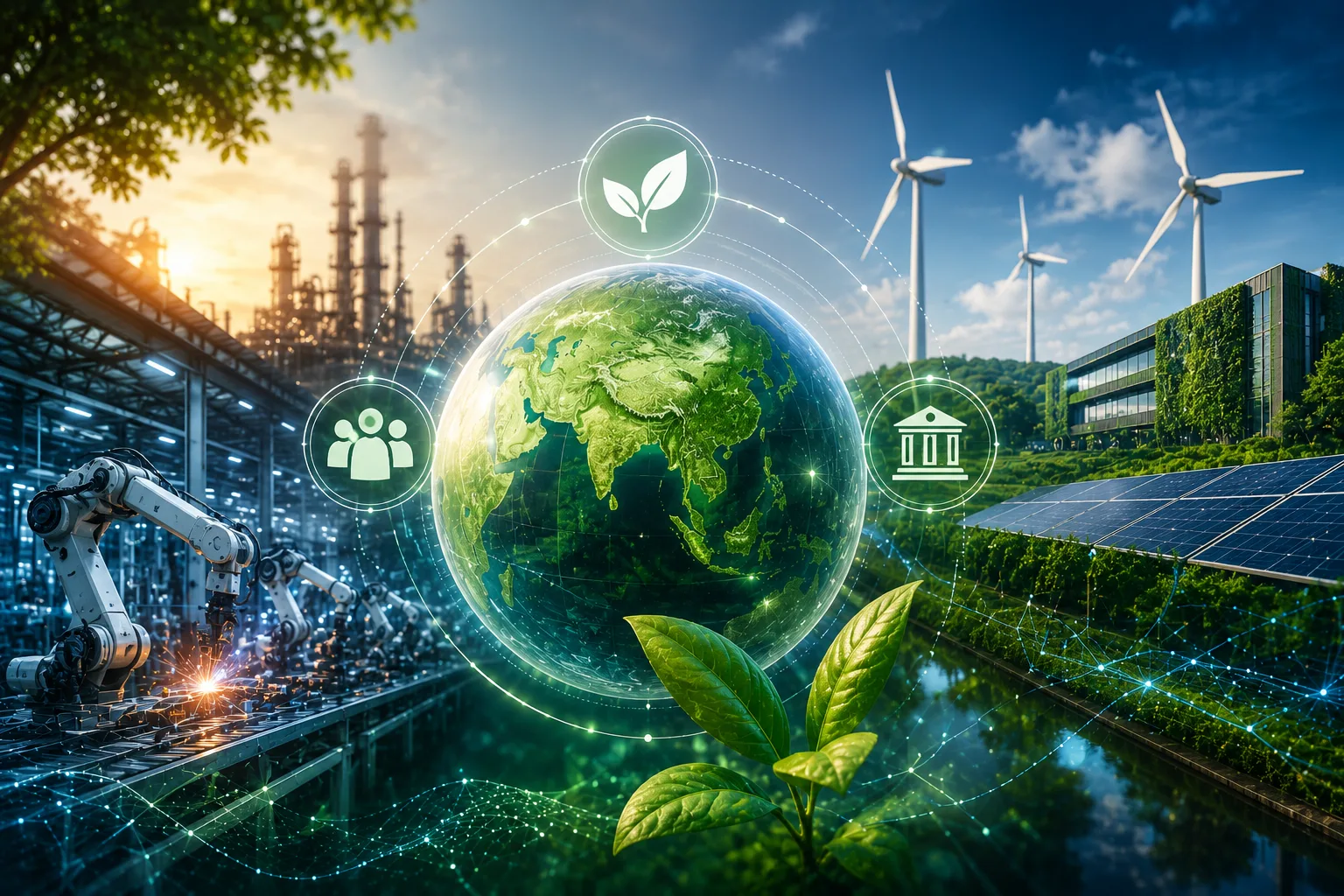
For most manufacturers, ESG used to live in a slide deck somewhere, a sustainability page on the website, or a paragraph in the yearly filing nobody outside the compliance team ever read closely. That version of ESG is disappearing fast in 2026. What has replaced it shows up in procurement contracts, in border taxes, and increasingly, in whether a factory gets the order at all in the first place.
Start with the regulatory shift, since it is the clearest signal of where this is heading. Europe’s Carbon Border Adjustment Mechanism moved from its reporting-only transitional phase into its definitive regime on January 1, 2026. It currently covers specified goods in cement, iron and steel, aluminium, fertilisers, electricity and hydrogen, including some downstream products already listed under relevant customs codes, such as certain fasteners. The European Commission has proposed extending CBAM to selected steel and aluminium-intensive downstream goods, with the expanded scope proposed to apply from January 1, 2028. The proposal is still moving through the EU legislative process and has not yet taken effect. For goods already covered, the financial liability applies to imports made from 2026, although the first declaration and surrender of certificates for 2026 imports will be due by September 30, 2027. In practice, building reliable and verifiable emissions data takes time, and manufacturers should begin assessing their product classifications and supply-chain exposure well before any new requirements apply.
What makes this genuinely difficult is that the exposure does not stop at a factory's own gate. Embedded emissions rules increasingly reach upstream, into whatever a manufacturer's own suppliers are doing, the energy source behind a purchased component, the process used two steps back in the chain, sometimes a supplier the manufacturer has never even spoken to directly. A factory with clean, efficient operations of its own can still inherit a poor emissions profile if its suppliers stay opaque about theirs, through no fault of its own production line. Sourcing decisions, in other words, have quietly become ESG decisions, whether or not anyone in procurement ever labelled them that way internally.
None of this is confined to companies shipping into Europe, either, though that is where the financial stakes are most visible right now. Large global buyers everywhere have been tightening their own supplier expectations well ahead of any government requiring it, screening vendors on emissions, labour practices, and material sourcing as a routine part of procurement rather than an optional add-on questionnaire filled out once a year. A manufacturer who cannot answer these questions with real data, rather than a general statement of good intent, risks losing preferred status to a competitor who can, often quietly, without procurement ever explaining exactly why a shortlist changed overnight.
The environmental dimension may receive most of the attention, but the social and governance parts of ESG matter just as much. Manufacturers are increasingly expected to demonstrate safe working conditions, fair labour practices, responsible supplier conduct and credible grievance mechanisms. On governance, buyers and regulators are looking for clear management accountability, reliable internal controls, ethical business practices and oversight of the data being reported. A credible ESG programme therefore cannot sit with the sustainability team alone. It requires involvement from plant operations, human resources, procurement, finance and senior management.
India's own regulatory floor has been climbing in parallel. Business Responsibility and Sustainability Reporting is mandatory for the top 1,000 listed entities by market capitalisation. Within that framework, mandatory assessment or assurance of BRSR Core applies to the top 500 listed entities for FY 2025-26 and is scheduled to extend to the top 1,000 from FY 2026-27. For the top 250 listed entities, ESG disclosures covering value-chain partners are voluntary from FY 2025-26, while assessment or assurance of those value-chain disclosures is voluntary from FY 2026-27. Manufacturers who are not directly covered by these requirements may still sit inside the supply chains of listed customers, which means requests for ESG data can eventually reach their desks even when the reporting obligation does not formally apply to them.
There is a real opportunity hiding inside all this pressure, though its commercial effect will differ across sectors, customers and markets. A manufacturer who can demonstrate lower, verified emission intensity compared to competitors may be better placed to respond to buyer requirements, reduce compliance-related friction and strengthen its position during supplier evaluations. That does not automatically guarantee better terms or steadier orders, but it can provide buyers with greater confidence in the quality and traceability of the information they receive. Manufacturers treating this as an operational priority now, building proper data systems, engaging suppliers early and understanding where their products sit against emerging rules, are likely to be better prepared as expectations continue to develop.
ESG in manufacturing has stopped being a compliance exercise handled quietly on the side, filed away once a year. It has become inseparable from whether a company can keep selling into the markets it depends on. The manufacturers preparing for that reality now will simply have more options later than the ones still waiting for a deadline to force the issue.
Written By - Aayaan Bery, Sales and Global Marketing Director at KSP Inc.
Read More:
From ERP to ERX: How AI Is Turning Planning into Intelligent Execution
Why AI security is becoming the biggest growth opportunity for channel partners
Why Dell believes AI PCs need consultative selling, not hardware transactions
Red Hat explains why hybrid cloud and open source is a channel opportunity








 2 Min read