
Oracle AI infrastructure strategy sharpens with new CFO leadership

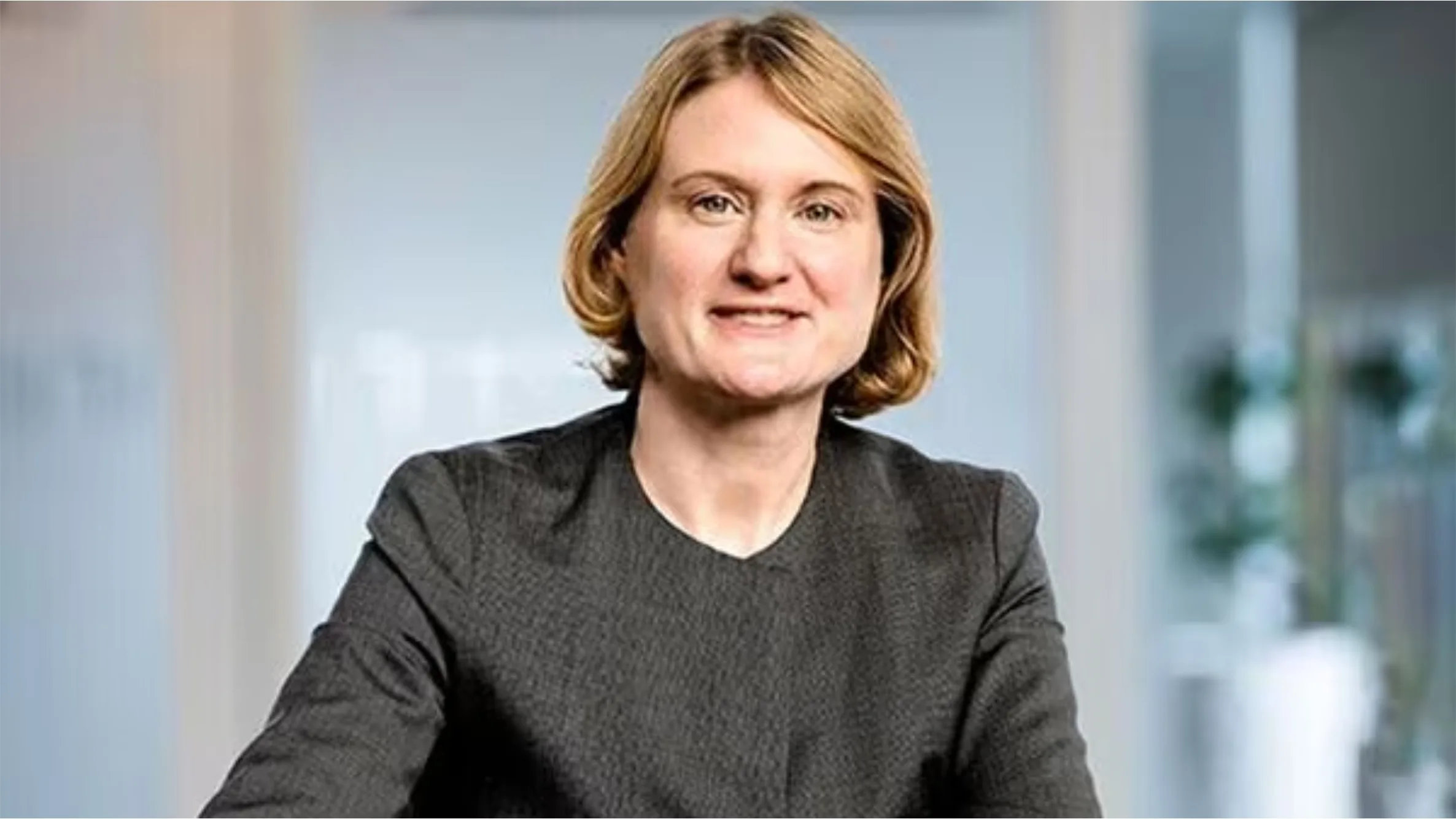
Oracle’s appointment of Hilary Maxson as CFO comes at a time when the company is riding strong momentum in cloud and AI. The timing is not accidental. Demand for Oracle AI infrastructure is rising sharply, especially across AI training, inferencing, and multicloud environments, pushing the company to scale faster than before.
This is not just a leadership change. It reflects a deeper shift in how Oracle is preparing for the next stage of growth. With over 20% growth in revenue and earnings, the company is now dealing with a different challenge—not demand generation, but capacity creation and capital efficiency.
The real pressure: scaling faster than demand
Oracle’s current position highlights a growing trend in the industry. Enterprises are no longer experimenting with AI; they are deploying it at scale. This creates pressure on infrastructure providers to deliver consistent performance, availability, and cost control.
In this context, Oracle’s focus is becoming clearer. The company is prioritizing how to allocate capital, expand capacity, and maintain profitability while scaling its cloud business. The need is simple but difficult—grow fast, but stay disciplined.
Hilary Maxson’s background in managing capital-intensive businesses becomes relevant here. Her experience across infrastructure and digital transformation signals that Oracle is preparing for sustained investment cycles rather than short-term expansion.
From growth to structured execution
Oracle’s recent performance shows strong acceleration, but the next phase will depend on execution. The company is moving from rapid expansion to structured scaling, where financial discipline and operational efficiency will play a bigger role.
The shift also reflects broader Oracle cloud revenue growth trends, where recurring revenue models and long-term contracts are becoming central. This requires tighter control over investments and clearer alignment between infrastructure buildouts and customer demand.
At the same time, the leadership transition ensures continuity. Doug Kehring’s role in stabilizing the finance function during a period of transformation has set the stage for this next phase.
What this means for the ecosystem
For enterprises and partners, this move signals that Oracle is doubling down on long-term infrastructure bets. The focus is not just on building capacity but on ensuring that growth translates into durable value.
The conversation is also shifting toward Oracle capital allocation strategy AI, where every investment needs to justify returns in a high-demand but capital-heavy environment. This has implications for how enterprises plan workloads, manage costs, and choose cloud partners.
The bigger picture
Oracle’s direction is becoming sharper. AI is no longer an adjacent opportunity—it is the core driver of infrastructure demand. The appointment of a CFO with deep experience in managing large-scale, capital-intensive operations suggests that Oracle is preparing for a prolonged phase of investment and execution.
The real story is not just about leadership. It is about how Oracle is aligning its financial strategy with the realities of AI-driven growth.
Conclusion
Oracle is entering a phase where growth alone is not enough. The challenge now is to scale Oracle AI infrastructure with precision, discipline, and long-term thinking. With a new CFO in place, the company is setting itself up to handle exactly that.
Read More:
BITA 12th AGM marks leadership transition and channel ecosystem momentum
Akamai channel-first strategy APJ enters next phase
Secureye technical partner meet signals channel evolution
Redington & LeadSquared: An alliance to redefine global revenue operations







 2 Min read