
GSAIET 2026 Summit outcomes signal next AI shift

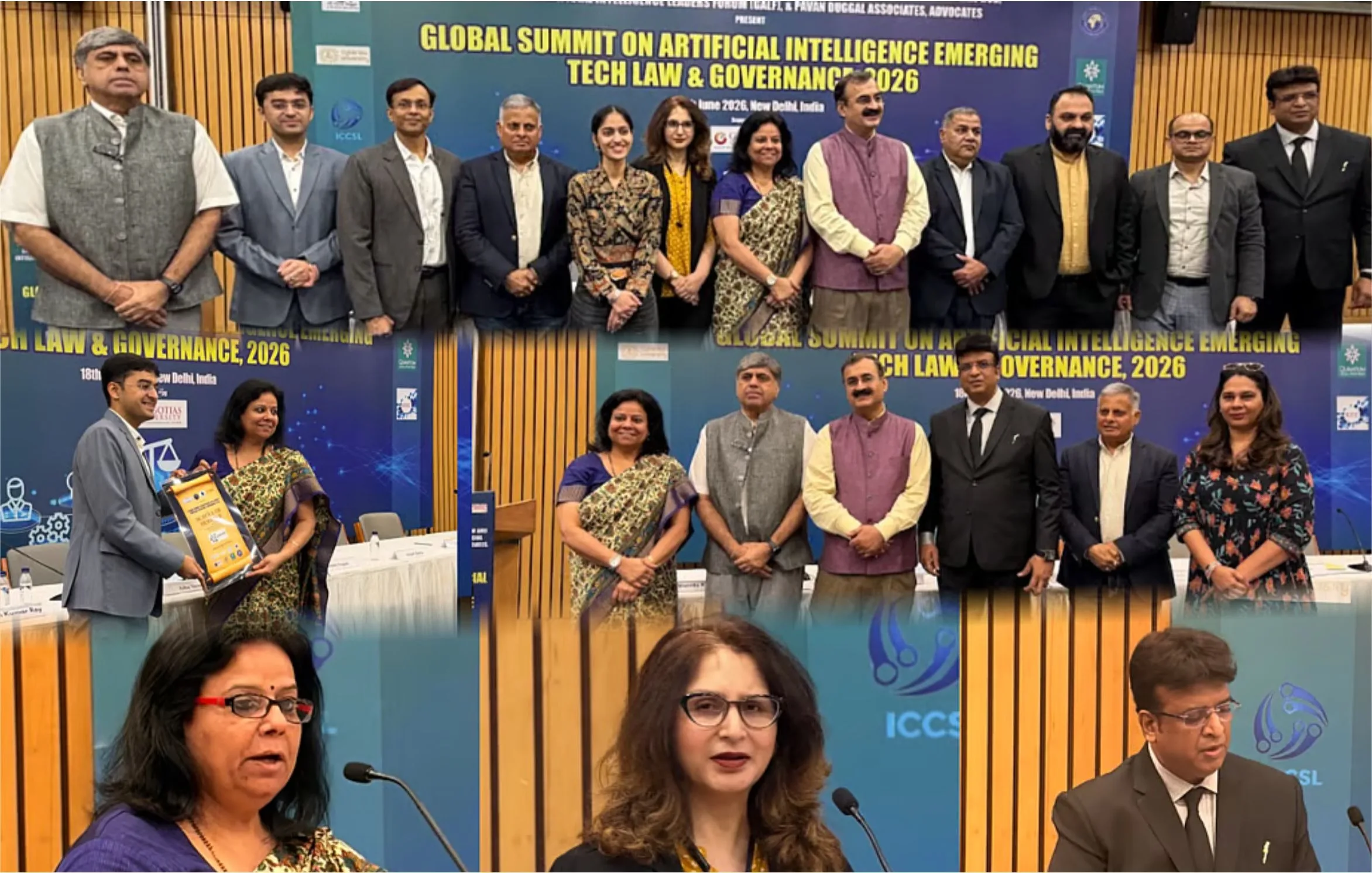
The GSAIET 2026 summit outcomes reflected a clear message from policymakers, legal experts and technology leaders: the global conversation on artificial intelligence is moving beyond broad principles and towards practical implementation.
Held at the India International Centre in New Delhi, the Global Summit on Artificial Intelligence, Emerging Tech Law and Governance (GSAIET 2026) brought together jurists, regulators, technologists and academics to discuss how legal systems can respond to rapidly evolving technologies.
The summit, chaired by Dr. Pavan Duggal, built on the foundation laid by the New Delhi Accord on AI, Emerging Tech Law and Governance 2025. This year's discussions focused on turning policy discussions into legal and institutional mechanisms that can work across different jurisdictions.
Understanding the next phase of AI governance
A recurring theme throughout the summit was the growing need for accountability as AI systems become more capable and autonomous. During the inaugural session, Dr. Rajiv Mani, Secretary, Legislative Department, Ministry of Law and Justice, highlighted the importance of binding legal frameworks for artificial intelligence and emerging technologies. The discussions reinforced the view that innovation and accountability must develop together.
Sessions throughout the day explored ethical, regulatory, and legal challenges linked to AI governance. Speakers also examined developments across cybersecurity, cybercrime, blockchain, quantum computing, and the Internet of Things.
A stronger focus on implementation
One of the most significant takeaways from the summit was the emphasis on translating AI principles into enforceable legal structures. Dr. Pavan Duggal noted that the focus has shifted from defining principles to creating operative laws capable of holding AI systems and their deployers accountable. The discussions also highlighted the importance of ensuring that the Global South plays an active role in shaping future AI regulations.
The summit further examined issues around legal responsibility, constitutional protections, and the need for cross-border compatibility of AI laws. The continuing work on model legislative frameworks reflects growing interest in creating what could eventually become a dedicated AI legal framework that India can align with while supporting broader international cooperation.
What the outcome document signals
The proceedings concluded with the adoption of the GSAIET 2026 Outcome Document. The document is intended to advance the work initiated under the New Delhi Accord and capture the common positions that emerged during the summit.
The event also advanced discussions around interoperable national AI laws, an area closely linked to future cross-border AI policy interoperability efforts. The proceedings will be documented in an ISBN-registered conference volume for policymakers, academia, and industry stakeholders.
Read More:
Iris Global and Uniline national distribution partnership targets deeper market expansion
BVM 2026 Targets Global Trade Opportunities with 5,000 Foreign Delegates
WISS 2026: 74% Security Professionals Report Gender-Based Discrimination at Work
What India’s evolving threat landscape demands from security teams today







 2 Min read