
Okta Agent SSO puts AI agents under identity control

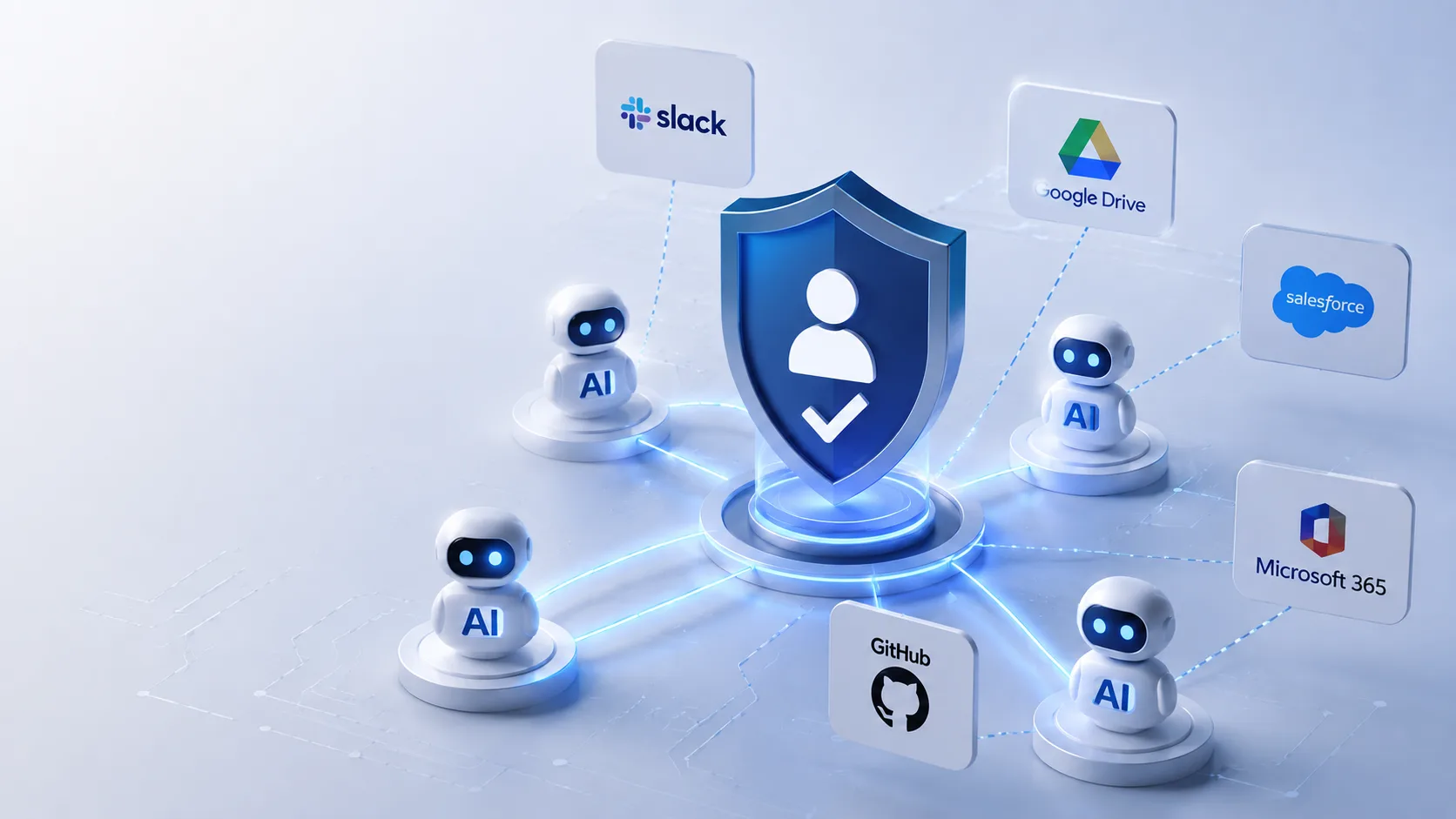
AI agents are moving into enterprise workflows, but their access to business applications has often remained fragmented. Okta Agent SSO aims to change that by treating AI agents as first-class identities that can be managed alongside human employees.
Okta has announced the general availability of Agent SSO, bringing the Cross App Access (XAA) standard into its identity product. The move is designed to give security teams a central way to register agents, control where they connect and reduce reliance on static API keys and unmanaged connections.
Okta for AI Agents tackles the identity gap
The need for tighter controls is becoming clearer as enterprises deploy more AI agents. According to the material provided, only 34% of organisations apply the same identity and security controls to AI agents as they do to human employees.
Agent SSO addresses this gap by registering XAA-supported agents in Okta’s Universal Directory. This allows administrators to assign, monitor and update policies for agents much like they would for employees.
The bigger shift is where access decisions are made. Instead of each application handling agent authorisation separately, Agent SSO moves that decision to the enterprise identity provider.
Okta Agent Gateway approach focuses on controlled access
The system uses Cross App Access to replace hardcoded credentials and broad OAuth authorisations with identity-governed, short-lived tokens. This means agents can be restricted to approved applications, APIs, tools and Model Context Protocol servers under least-privilege policies.
That creates a more structured approach to AI agent identity, particularly for enterprises managing multiple connected AI workflows.
Identity Security Posture Management adds the next layer
Agent SSO provides the identity foundation, but the broader security model extends beyond knowing which agents exist and where they can connect.
Okta says Okta Identity Security Posture Management through Okta for AI Agents is intended to help organisations discover unmanaged agents, manage their lifecycle and apply runtime controls.
The distinction matters. Agent SSO answers two basic questions: where are the agents, and what can they connect to? The wider platform addresses the harder question of what those agents can actually do.
For enterprises moving deeper into agentic workflows, that separation could make identity management less about individual credentials and more about continuous control. Okta Agent SSO therefore positions AI agents as managed identities rather than anonymous connections, giving security teams a more consistent framework for governing the emerging agentic enterprise.
Read More:
Kramer 1G and 10G AVoIP expands AV choices at InfoComm India 2026
Cyfuture CFO appointment brings Himanshu Gupta onboard
Seqrite uncovers the hidden threat behind Operation ShadowRecruit







 2 Min read