
What Makes the New ASUS Chromebook Different?

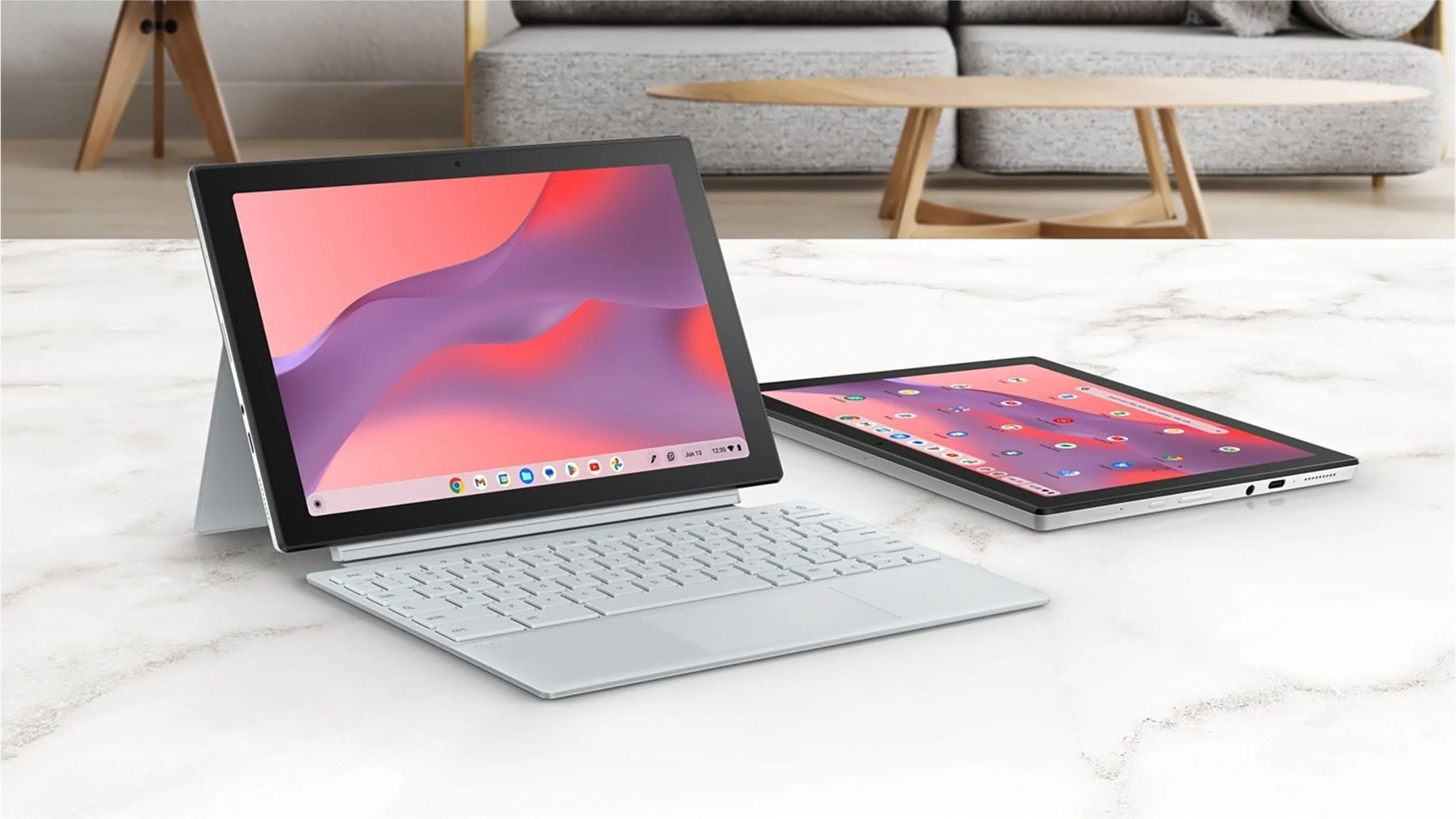
The latest ASUS Chromebook launch in India is about more than adding new devices to a product portfolio. It reflects how learning, work, and everyday productivity are changing for a generation that increasingly relies on cloud services, AI tools, and mobility.
ASUS has expanded its Chromebook lineup with the launch of the ASUS Chromebook CM32 Detachable, ASUS Chromebook CM14, and ASUS Chromebook CM15. Designed for students and young professionals, the new devices combine ChromeOS, Google AI capabilities, portability, and cloud-first experiences in a package built around modern digital lifestyles.
AI and cloud-first computing move to the center
A clear theme across the new ASUS Chromebook range is the growing role of AI in everyday computing. Rather than positioning AI as a premium feature, ASUS is integrating Google AI experiences directly into devices aimed at mainstream users.
The company is also emphasizing cloud-based workflows, collaboration tools, and built-in security. This reflects a broader shift in how younger users learn, create, and work. Increasingly, productivity is no longer tied to powerful local hardware alone but to seamless access to cloud services and intelligent digital tools.
The CM32 Detachable highlights flexibility
The standout device in the portfolio is the ASUS Chromebook CM32 Detachable. Weighing just 640 grams, it can switch between laptop and tablet modes depending on user needs.
Its 2.5K touchscreen display, detachable keyboard, ASUS Pen support, military-grade durability, and up to 12 hours of battery life position it as a device built around flexibility. Whether used for studying, note-taking, content consumption, or creative work, the CM32 is designed to adapt to different scenarios throughout the day.
Google AI Pro benefits and temporary access to 5TB of cloud storage further strengthen its focus on connected productivity.
CM14 and CM15 focus on everyday reliability
While the CM32 targets versatility, the ASUS Chromebook CM14 and CM15 focus on dependable daily performance. Available in different screen sizes, both devices are designed for users seeking simplicity, long battery life, and easy collaboration.
With up to 20 hours of battery life, military-grade durability, lay-flat hinges, and MediaTek Kompanio 540 processors, the devices aim to deliver practical performance for classrooms, remote work, and everyday digital tasks.
Why this launch matters
The ASUS Chromebook expansion reflects a growing demand for devices that combine mobility, security, AI assistance, and cloud connectivity without unnecessary complexity. As digital learning and hybrid work continue to evolve, Chromebook devices are increasingly becoming platforms for building future-ready digital and AI skills.
Rather than competing on specifications alone, ASUS appears to be focusing on how users learn, collaborate, and stay productive in a cloud-first world. That may prove to be the more important shift behind this launch.
Read More:
Why Synthetic Data Is Becoming Central to Responsible and Scalable AI
Why India's IT Channel Is Moving from Cloud Resale to Managed Services
STMicroelectronics IIS3DWB10IS sensor takes aim at a major industry problem
Veeam EmpowHer VMCE+ Accelerator signals a broader shift in tech talent development





 2 Min read