
Why India's IT Channel Is Moving from Cloud Resale to Managed Services


The Indian channel ecosystem is entering a period of significant transformation. For years, cloud adoption created growth opportunities for partners through infrastructure sales, cloud migration projects and recurring cloud consumption. However, as enterprise cloud environments become more complex, the economics of traditional cloud resale are becoming increasingly difficult to sustain. Today, customers are looking beyond infrastructure procurement and seeking partners that can help them manage operations, optimise costs, improve security and ensure compliance.
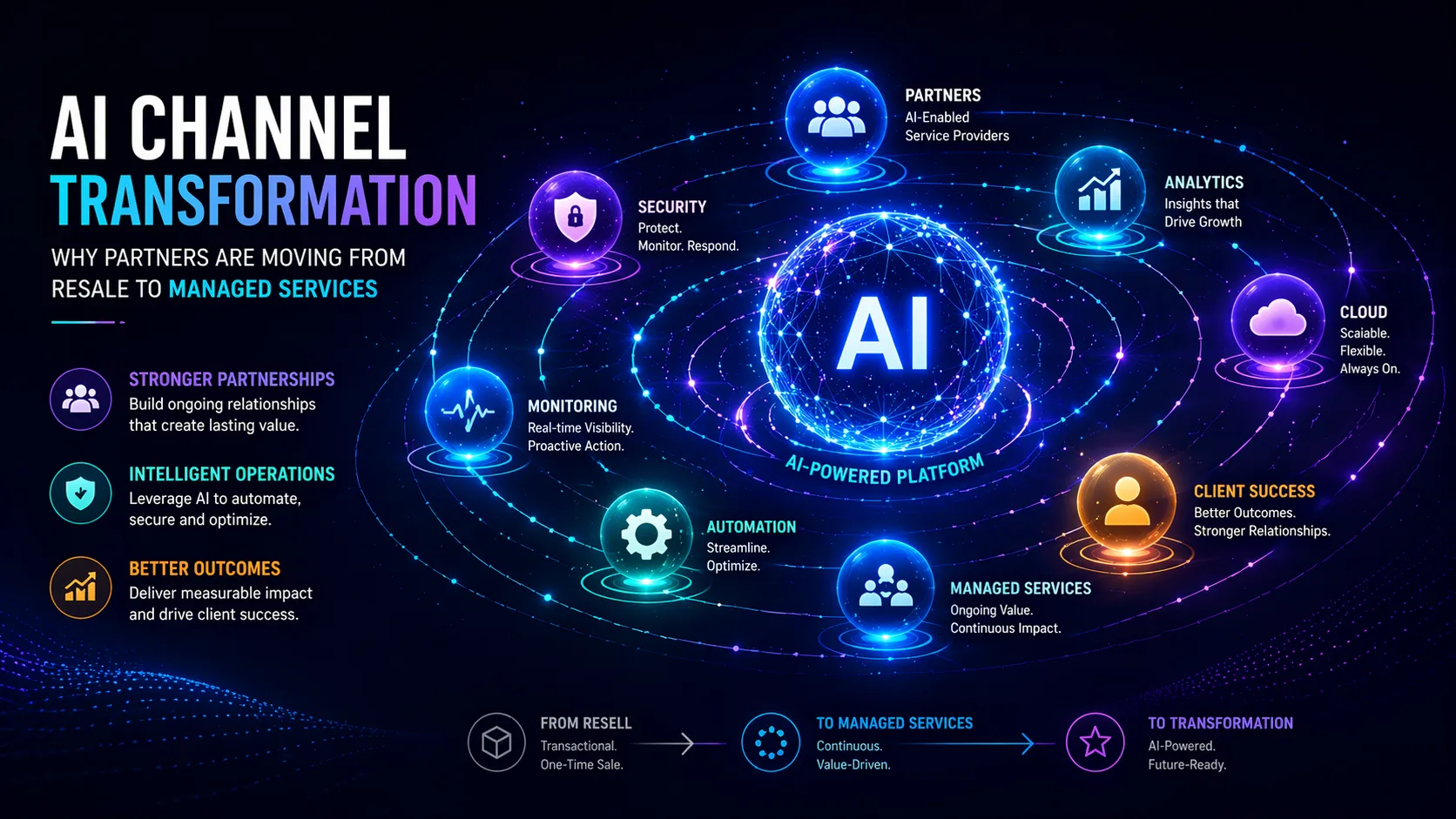
This shift is creating a new reality for channel partners. The organisations finding growth are no longer those focused solely on reselling cloud services. Instead, they are evolving into managed service providers (MSPs), cloud consultants, FinOps specialists and security advisors. The focus is moving from transactions to outcomes, and from infrastructure delivery to operational management.
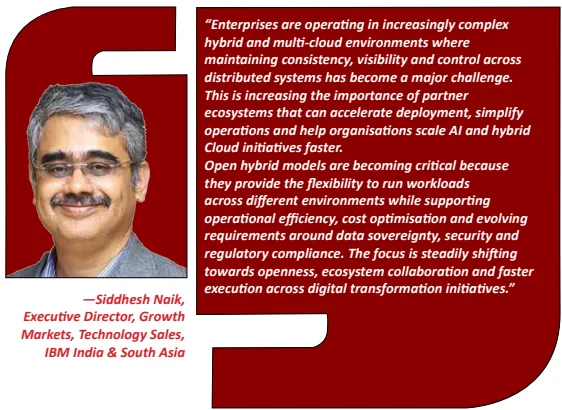
The Growing Complexity of Enterprise Cloud Environments
When enterprises first embraced cloud computing, the value proposition appeared straightforward. Cloud platforms promised flexibility, scalability and lower infrastructure costs. While these benefits remain relevant, the operational challenges associated with modern cloud environments have become far more significant than many organisations anticipated.
Today, enterprises often operate across multiple hyperscalers while continuing to maintain private cloud and on-premises infrastructure. In addition, SaaS applications, edge deployments and connected business systems add further layers of complexity. Each environment comes with its own governance policies, security controls, monitoring tools and billing mechanisms.
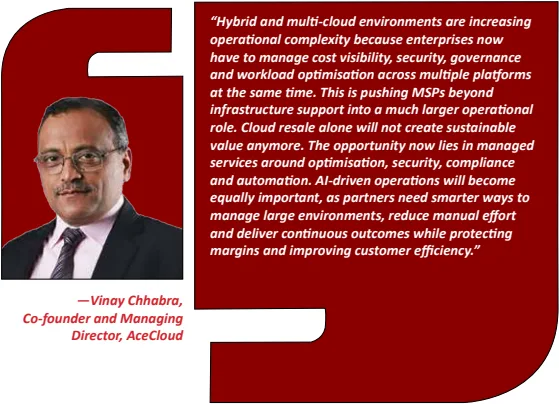
As a result, many organisations struggle to maintain visibility across their technology estate. Understanding what is running, how much it costs and whether it remains secure requires continuous monitoring and specialist expertise. Internal IT teams frequently find themselves stretched between operational management, security responsibilities and business demands.
For channel partners, this complexity presents a significant opportunity. Customers increasingly require external expertise to manage environments that have become difficult to control internally.
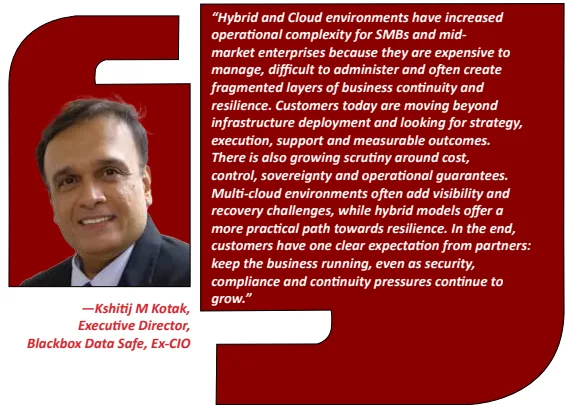
Why the Cloud Resale Model Is Under Pressure
The traditional cloud resale model is facing increasing pressure as cloud services mature. Infrastructure has become easier to purchase and compare, making differentiation more challenging for partners that rely primarily on resale margins.
As competition increases, margins continue to shrink. At the same time, customers have more options available and can switch providers relatively easily. This makes it difficult for partners to build long-term competitive advantage through infrastructure sales alone.
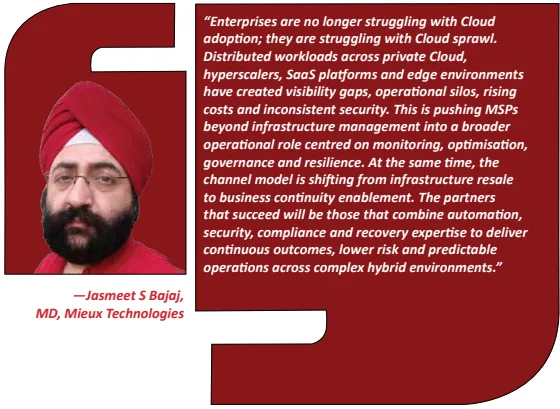
The larger challenge is that cloud resale does not create deep customer relationships. Infrastructure can be sourced from multiple providers, but operational expertise is much harder to replace. When partners become responsible for managing security, optimising cloud spending, maintaining compliance and ensuring business continuity, they become integrated into a customer's daily operations.
This transition fundamentally changes the relationship between customer and partner. The partner is no longer viewed as a supplier but as a strategic advisor responsible for delivering measurable business outcomes.
Managed Services Are Becoming the Growth Engine
Several service categories are emerging as key growth opportunities for the channel ecosystem.
Cloud cost optimisation and FinOps services have become particularly important as organisations seek greater visibility into cloud spending. Executive leadership teams increasingly expect technology investments to deliver measurable returns. Partners that can identify inefficiencies, optimise resource utilisation and reduce unnecessary spending are delivering tangible business value.
Managed security services are also becoming central to customer requirements. Security has moved beyond being a technical concern and is now a business priority. Organisations are looking for continuous monitoring, threat detection, incident response capabilities and resilience against operational disruptions. This creates recurring revenue opportunities for partners that can provide ongoing protection and operational assurance.
Compliance and data governance represent another area of growing demand. As regulatory requirements increase, organisations need support in understanding where data resides, who can access it and how compliance obligations can be met. Many enterprises lack the internal resources required to manage these responsibilities effectively, creating opportunities for specialised service providers.
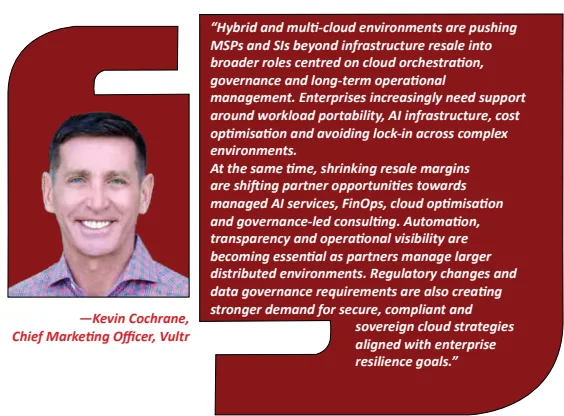
Business continuity and disaster recovery have also become increasingly important. Customers now expect tested recovery plans and confidence that operations can be restored quickly during disruptions. Partners that provide resilience planning and operational readiness services are becoming trusted long-term advisors.
Multi-Cloud, Hybrid Cloud and the Need for Simplicity
While multi-cloud environments have become common, not everyone believes that increasing complexity is the right approach. Some organisations are beginning to question whether they have adopted more complexity than necessary.
In certain cases, multi-cloud environments are the result of historical technology decisions rather than strategic requirements. Simplifying infrastructure can improve visibility, governance and operational efficiency.
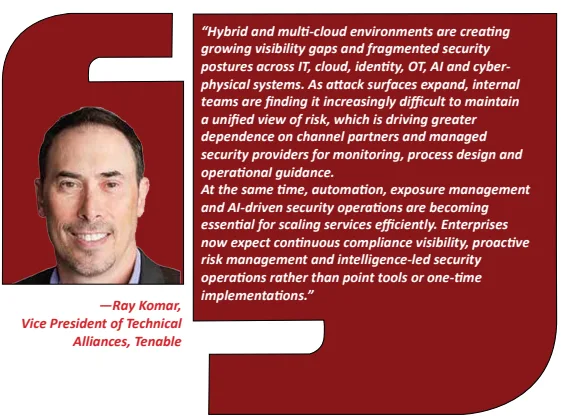
However, many enterprises already operate highly distributed environments that cannot easily be consolidated. In these situations, automation, orchestration and hybrid cloud management become critical. Customers increasingly expect consistent security, governance and visibility across both cloud and on-premises environments.
This is creating demand for partners capable of delivering unified management across complex infrastructure landscapes. Those who develop expertise in hybrid cloud management are becoming increasingly valuable to enterprise customers.
AI and the Future of Managed Services
Artificial intelligence is beginning to play a practical role in managed services operations. Rather than replacing human expertise, AI is helping partners improve efficiency and visibility.
One of the most valuable applications is the analysis of logs, alerts and performance data. AI can process large volumes of information more quickly than manual processes, helping identify anomalies and potential issues before they escalate into major incidents.
AI is also supporting cloud cost optimisation by identifying inefficiencies and highlighting opportunities for improvement. While fully autonomous operations remain some distance away, AI is already enabling MSPs to manage increasingly complex environments more effectively.
As enterprise AI adoption grows, new opportunities are also emerging around GPU infrastructure management and optimisation, creating additional avenues for service-led growth.
The Channel Ecosystem Reaches an Inflexion Point
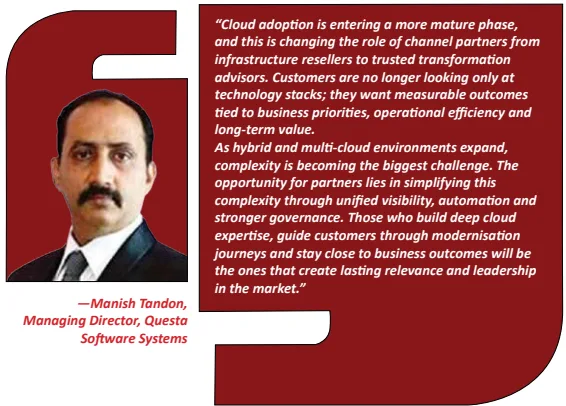
The Indian channel ecosystem is approaching a decisive moment. Enterprise cloud environments are becoming more complex, while traditional cloud resale margins continue to decline. Customers increasingly require partners that can provide operational expertise, security, compliance, governance and cost optimisation rather than simply supplying infrastructure.
The partners succeeding today are those that have embraced managed services, automation, cybersecurity and business advisory capabilities. They are positioning themselves around customer outcomes rather than technology transactions.
Over the next few years, this shift is likely to accelerate. Partners that invest in managed services capabilities will strengthen customer relationships and create sustainable recurring revenue streams. Those that remain dependent on traditional resale economics may find it increasingly difficult to compete.
The opportunity remains significant, but future growth will belong to partners that deliver operational value, measurable outcomes and long-term business impact rather than infrastructure alone.
Read More:
Partner Pulse: Shivaami Cloud Services| Cloud Partner (India)
How Unicorn Infosolutions is accelerating Apple's retail growth in India







 2 Min read