How IT channel’s second business model is taking shape


For years, the IT channel followed a familiar rhythm. A customer identified a need, a partner recommended the right product, the deal was closed, and the solution was deployed. Once the installation and handover were complete, the partner moved to the next opportunity.
That model built thousands of channel businesses. It created strong distribution networks, deep local expertise and trusted relationships between technology providers, partners and customers.
But the ground beneath that model is shifting.
Customers no longer want a partner to appear only when it is time to buy or replace technology. They increasingly expect the partner to remain involved after the sale, manage the environment, improve performance, strengthen security, control costs and respond as business conditions change.
The IT channel is therefore entering what can best be described as its second business model.
This model is not simply about subscriptions or monthly billing. It reflects a wider shift towards Anything-as-a-Service, or XaaS, where infrastructure, software, security, Cloud platforms, backup, networking, AI capabilities and support are increasingly consumed as ongoing services.
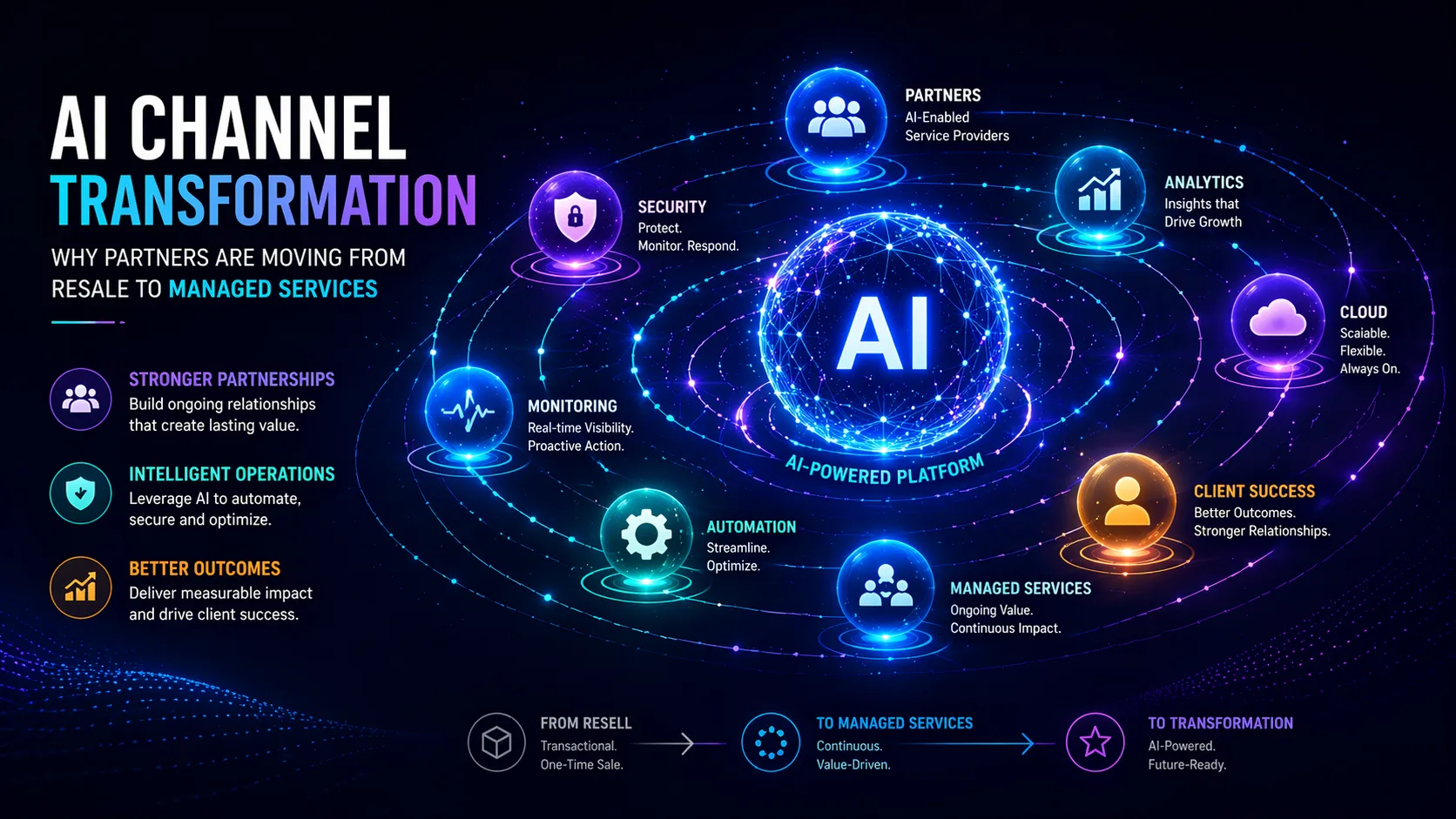
The first business model was built around selling and deploying technology. The second is being built around operating, improving and supporting it continuously.
From transactions to continuous customer engagement
The traditional channel model should not be dismissed as outdated. It solved a real market need. Vendors needed reach while customers needed local guidance, implementation support and someone they could trust.
Revenue, however, was largely transaction-led. It came from product margins, implementation charges, annual support contracts and periodic upgrades.
That approach worked when technology changed in predictable cycles. Servers, storage and networking equipment were purchased, used for several years and replaced when capacity or performance requirements demanded it.
Today, technology is different.
Cloud services are updated regularly. Security threats evolve quickly. Software changes at a faster pace. Customers add users, devices and applications while data moves across locations and platforms. Compliance requirements increase and AI is entering day-to-day business processes.
The customer environment is never truly finished. It is always being adjusted, secured, optimised or expanded.
That is where the channel’s second business model begins.
Customers increasingly need partners that can monitor systems, manage infrastructure, respond to alerts, maintain security controls, optimise usage, plan capacity and guide future investments. In some cases, partners may also coordinate several vendors and platforms on the customer’s behalf.
This is a deeper relationship. It is also more demanding.
XaaS changes how value is delivered
Anything-as-a-Service expands the opportunity beyond a narrow managed-services model. Infrastructure, software, security, backup, networking, collaboration tools and AI capabilities can be packaged with deployment, monitoring, support and optimisation into an ongoing service.
For customers, this can simplify consumption and reduce the burden of managing multiple technology layers. For partners, it creates a framework for staying engaged throughout the customer lifecycle.
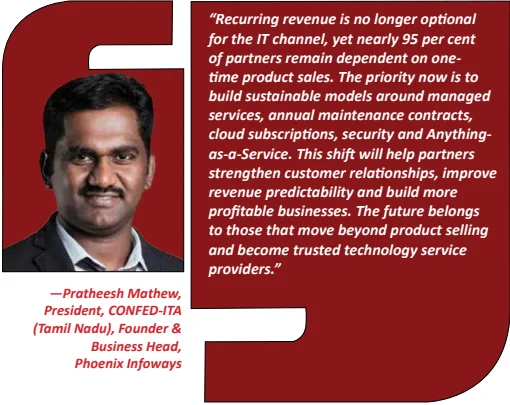
But recurring revenue is not the starting point.
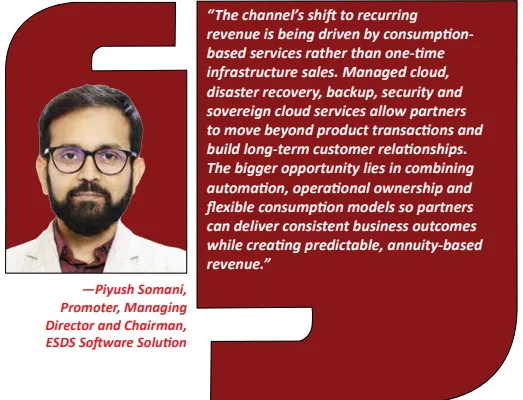
Partners do not become service businesses simply by changing the invoice. Recurring income must be supported by recurring value. The service must solve an ongoing problem and be delivered consistently.
The focus is also shifting from features and specifications to outcomes. Customers want to know whether the business can operate without interruption, employees can work securely, data can be protected and recovered and costs can be controlled.
That changes the sales conversation. It is no longer only about what the customer needs to buy. It is also about what it needs to achieve, improve or avoid.
Building a service-led organisation
The transition is not simple.
One major challenge is cash flow. A traditional project can generate significant revenue immediately while recurring services spread income over a longer period. For many partners, the first and second business models will therefore coexist.
Skills form another barrier. Delivering a project and operating an environment require different capabilities. Service teams must monitor, respond, document, communicate and improve over time.
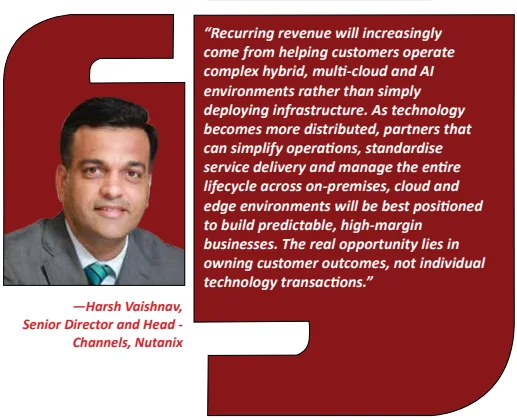
Scale is another challenge. A service business becomes difficult to manage when every customer receives a different operating model. Partners need standardisation, including a defined service catalogue, standard onboarding, approved tools, common security controls, reporting formats and clear escalation procedures.
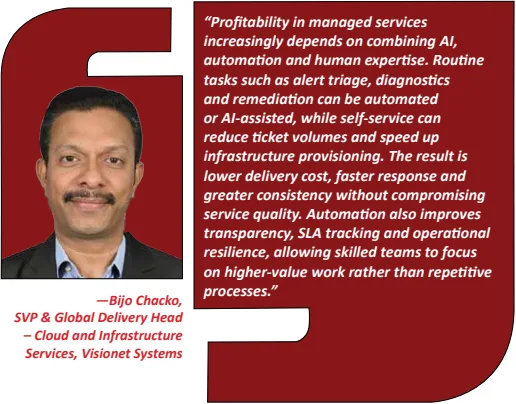
Automation becomes essential here.
Routine tasks such as checking system health, applying updates, creating reports, managing users and reviewing alerts can become expensive across dozens or hundreds of customer environments. Automation can reduce human error, shorten response times and help smaller teams manage more workloads.
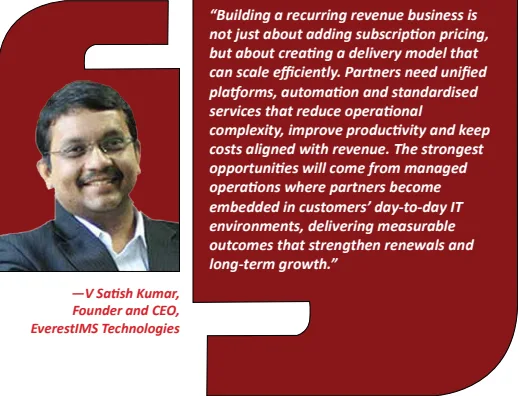
AI can extend this model through alert analysis, incident prioritisation, documentation, knowledge retrieval and reporting. But AI cannot repair weak service design or replace accountability. It works best when the underlying operation is already disciplined.
The first model will not disappear
The shift towards services does not mean the end of product selling. Customers will continue to buy hardware, software and infrastructure. Large projects, refresh cycles and transaction revenue will remain part of the channel.
What is changing is what surrounds the transaction.
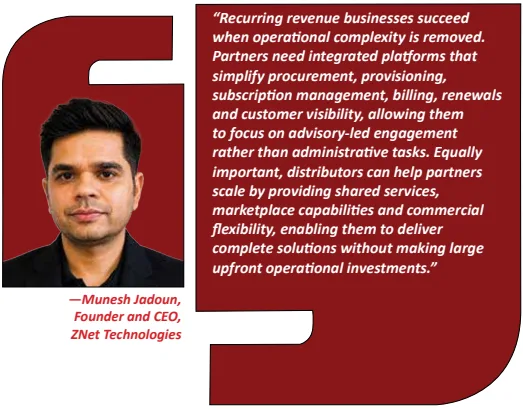
A product sale can become the beginning of a managed relationship. A Cloud migration can lead to continuous optimisation. A security deployment can lead to monitoring and response. An infrastructure upgrade can become the starting point for lifecycle management.
The first model creates the installed base. The second creates long-term value.
Partners do not need to transform every part of the business at once. A practical approach can begin with one focused service that solves a clear customer problem. The partner can define the service, standardise delivery and test whether the economics work.
Once the model is stable, it can expand through related services, automation, better reporting and specialised roles.
The second business model has already begun.
Customers need continuous support because technology itself has become continuous. Anything-as-a-Service provides the commercial framework, but the real change is deeper.
The partner must redesign how it sells, delivers, measures and communicates value. It must standardise without losing flexibility, automate without losing judgement and use AI without surrendering responsibility.
The channel’s next chapter will not be decided only by who can sell more technology. It will increasingly be decided by who can deliver it as a service and create lasting value from it.
Read More:
How Digital Platforms Are Transforming India's IT Distribution
ASIRT Synergy Biz Conclave 2026: From trusted relationships to new business opportunities
ASIRT Synergy Biz Conclave 2026 Highlights Cybersecurity, Networking and Channel Opportunities
Why Dell believes AI PCs need consultative selling, not hardware transactions






 2 Min read