
Agentic AI and the new frontier of Bharat’s tech ambitions transform enterprise technology in 2026


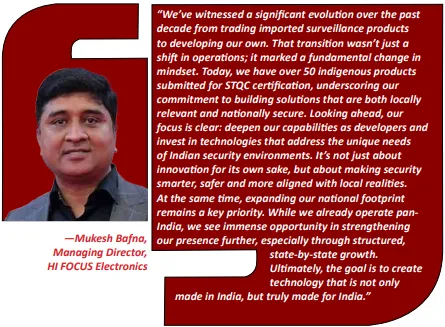
A decade ago, security and surveillance businesses in India largely followed a single path: import, sell, repeat. Products arrived as finished boxes, margins were defined by distribution efficiency, and innovation rarely originated locally. Today, that model is changing in a meaningful way. A structural shift is underway as organisations increasingly move from trading technology to developing it.
More than 50 indigenous products are currently seeking STQC certification, indicating a gradual but clear transition from dependency toward domestic capability creation. The change is not merely technological; it reflects strategic intent. Enterprises are not only looking to adopt technology but to shape it in alignment with India’s scale, security needs, and regulatory environment. This transition represents a broader movement toward digital sovereignty, resilience, and context-aware innovation that aligns with the enterprise AI strategy 2026.]
AI Channel ecosystem in India adopts a three-front distribution strategy
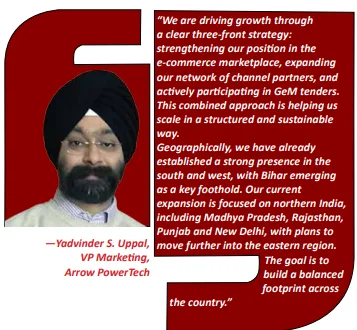
The evolving go-to-market model also reflects this shift. Expansion strategies are no longer defined solely by geographic presence. Instead, organisations are combining online marketplaces, partner-led engagement, and GeM tenders to build structured growth pathways. This three-front distribution model allows companies to reach cost-sensitive buyers, strengthen regional trust through channel partners, and access public sector opportunities that drive scale across emerging geographies.
Several organisations are pursuing deliberate state-by-state expansion strategies, often entering three new states annually while leveraging public procurement to build initial traction. This modular growth model reflects a more disciplined approach to scaling, prioritising long-term sustainability over rapid but fragmented expansion. Regions such as Bihar are emerging as important nodes in this transformation, highlighting how adoption momentum is spreading beyond traditional technology hubs.

Modular expansion strategy strengthens India's technology innovation trends
As companies deepen their developer capabilities, the focus is increasingly on technologies designed for local security environments and operational realities. Expansion remains a strategic priority, but growth is being pursued through structured engagement frameworks that build credibility across regional markets.
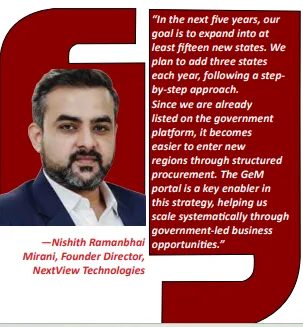
Blanket expansion strategies are gradually being replaced by targeted, state-specific execution models. Each geography presents its own compliance frameworks, procurement practices, and operational dynamics. Organisations are approaching expansion with greater precision, aligning product positioning with regional requirements and certification frameworks. This approach may appear slower, but it enables stronger ecosystem integration and a more resilient market presence.
Customer-centric enterprise technology trust architecture gains importance
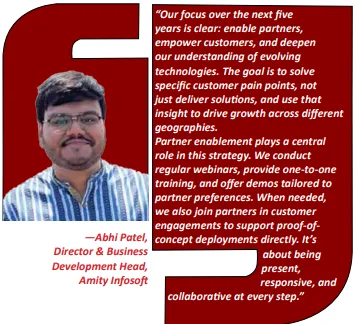
Customer centricity is emerging as a defining differentiator across enterprise technology providers. Conversations are shifting away from feature comparisons toward solution relevance. Training engagements now extend beyond standard product demonstrations to include webinars, guided implementation support, and collaborative proof-of-concept environments. Vendors are increasingly acting as advisors, helping organisations build confidence in technology adoption decisions.
Connectivity expectations have also evolved significantly. Reliable and secure Wi-Fi infrastructure is now considered a baseline requirement across urban enterprises and rural institutions alike. As digital dependency increases, performance consistency and security assurance have become critical evaluation parameters. Solution providers are differentiating themselves through reliability and adaptability to local operating conditions rather than competing solely on cost.
Drones and skill development shape India technology innovation trends
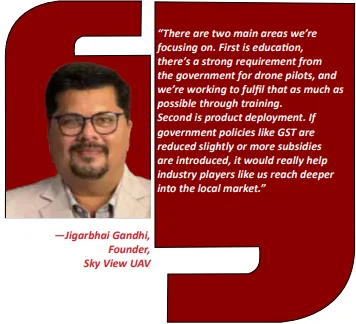
Drone technologies are also gaining attention as part of a broader innovation landscape aligned with national priorities. Demand for certified drone pilots is increasing, contributing to the growth of training ecosystems that support workforce readiness. Simultaneously, drone platforms are being adapted to suit local terrain conditions, cost structures, and operational requirements. Policy interventions, including tax rationalisation and simplified regulatory pathways, could accelerate adoption further.
Agentic AI Enterprise models redefine enterprise AI strategy 2026
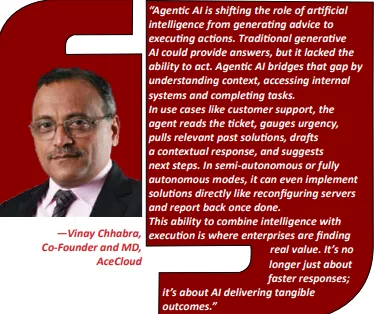
Agentic AI represents one of the most important developments shaping enterprise AI strategy 2026. Unlike generative AI systems that primarily respond to prompts, agentic AI systems can interpret context, prioritise actions, and execute workflows autonomously within defined governance frameworks. This capability is redefining how enterprise workflows are structured, particularly in customer support, operations management, and decision orchestration environments.
AI automation enterprise workflow maturity models
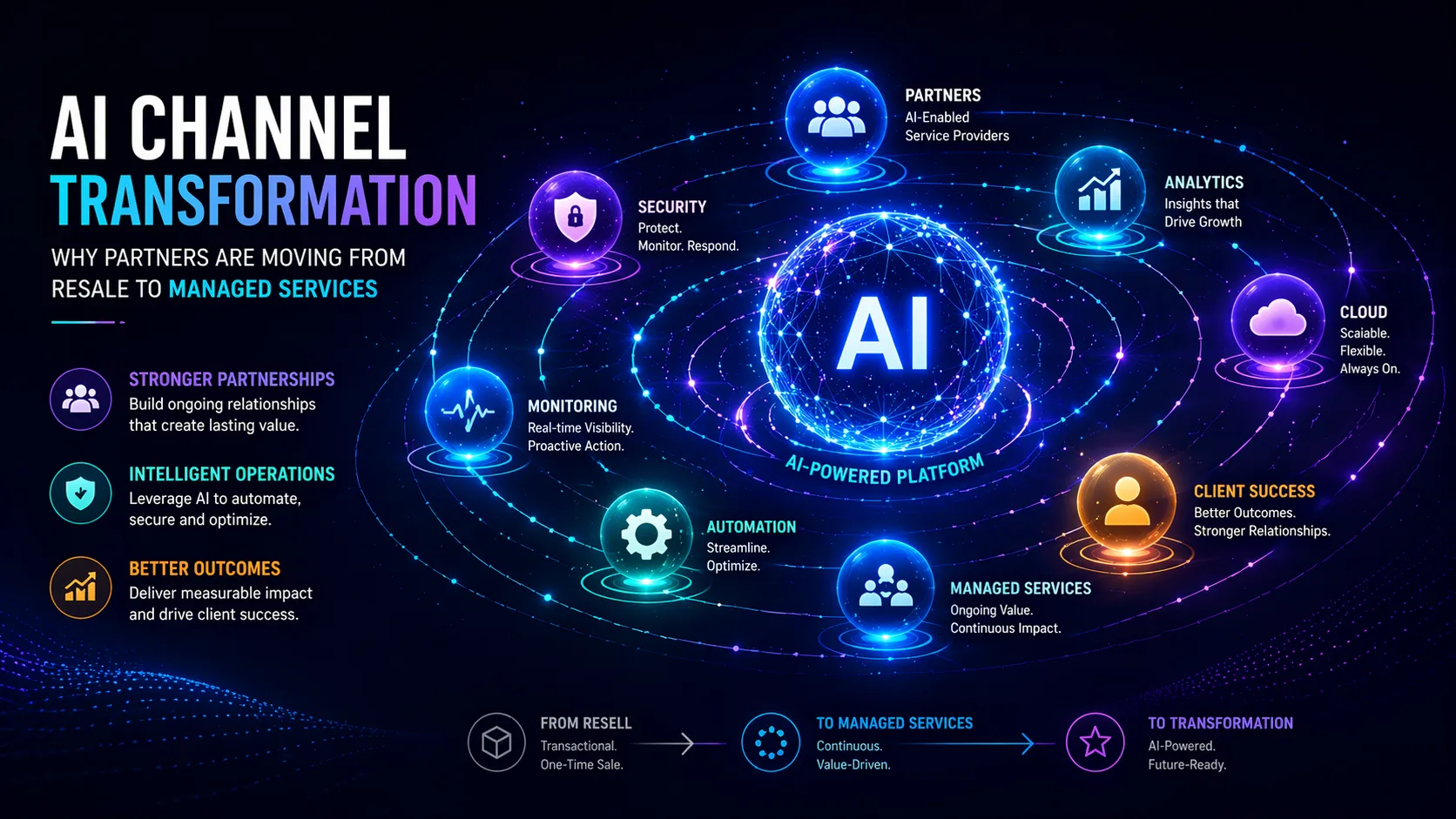
Agentic AI deployment models are emerging across three maturity levels, including human-in-the-loop decision support, semi-autonomous approval-based execution, and fully autonomous workflow orchestration. These architectures have the potential to significantly improve efficiency, reduce response times, and optimise cost structures while maintaining governance oversight.
Cloud-first organisations accelerate Agentic AI enterprise adoption
Many technology providers are first deploying AI capabilities internally before introducing them to customers. Internal deployment environments serve as practical validation layers, enabling organisations to assess reliability, identify operational gaps, and understand behavioural performance in real-world conditions. Cloud-first organisations are among the earliest adopters of agentic AI architectures due to their need for scalable automation frameworks.
AI execution vs experimentation defines enterprise AI strategy 2026
Rather than pursuing scale purely through expansion metrics, organisations are increasingly prioritising relevance within existing markets. This shift reflects a broader emphasis on contextual innovation that aligns technology capabilities with user needs. Listening to customer requirements, solving operational challenges, and building adaptive solutions are becoming central to long-term resilience.
The emerging technology trajectory in India reflects steady, deliberate progress rather than sudden disruption. Indigenous development initiatives are expanding, AI adoption is moving from experimentation toward execution, channel ecosystems are becoming more structured, and policy frameworks continue to influence adoption momentum.
Enterprise technology trust architecture shapes long-term innovation
The transformation of India’s technology ecosystem is occurring across diverse environments, including educational institutions, partner networks, regional procurement ecosystems, and skill development programmes. The evolution is characterised by contextual innovation that integrates technological capability with local relevance.
India’s enterprise technology landscape is increasingly defined by its ability to build, adapt, and deploy solutions aligned with domestic requirements. The shift reflects a deeper transition from technology consumption toward technology creation.
The quiet transformation underway signals a broader redefinition of how enterprises approach innovation, execution, and value creation. The emerging enterprise AI strategy 2026 environment is shaped not by isolated breakthroughs but by consistent progress across governance, capability development, and ecosystem alignment.
India is no longer only adopting technology. It is shaping it with contextual awareness, operational intent, and long-term strategic confidence. The evolution may appear gradual, but its structural impact is significant. The quiet technology revolution is already underway, and its influence is expected to extend across enterprise architectures, channel ecosystems, and innovation frameworks in the years ahead.
Read More:
Arrow Powertech highlights UPS and battery strategy at FITAG Tech Expo
FITAG B2B platform reshapes Gujarat IT channel ecosystem
AceCloud on AI infrastructure: GPUs, sovereign Cloud & Agentic AI
FAIITA's Navin Gupta at FITAG Tech Expo: IT channel ecosystem must evolve







 2 Min read