TNITTA Pushes Bulk-Buying, GST Enforcement to Protect Small IT Traders from Volume Partners
India's IT retail landscape is undergoing a quiet but painful transformation. As e-commerce platforms and large corporate chains expand their footprint, small and medium IT retailers, the backbone of neighbourhood technology sales and service across Tamil Nadu, find themselves squeezed between shrinking margins, uneven vendor policies and rising compliance costs. Industry body Tamil Nadu Information Technology Traders Association (TNITTA) says these retailers are surviving largely on the one advantage bigger players cannot easily replicate: immediate, on-ground customer service.
Volume Partners Tilt the Playing Field
Demand for IT products has multiplied in the digital economy, but the small and medium retailers who distribute them face mounting daily challenges. Profit margins have collapsed under unequal competition, yet small traders continue to hold their ground.
Chief among their concerns is a newer distribution model that has replaced the earlier practice of buying directly from distributors: the “Volume Partner” system, under which companies extend special pricing only to those who invest crores of rupees and purchase in bulk. When these Volume Partners then resell at discounted rates, small retailers who can only afford smaller quantities are left unable to compete.
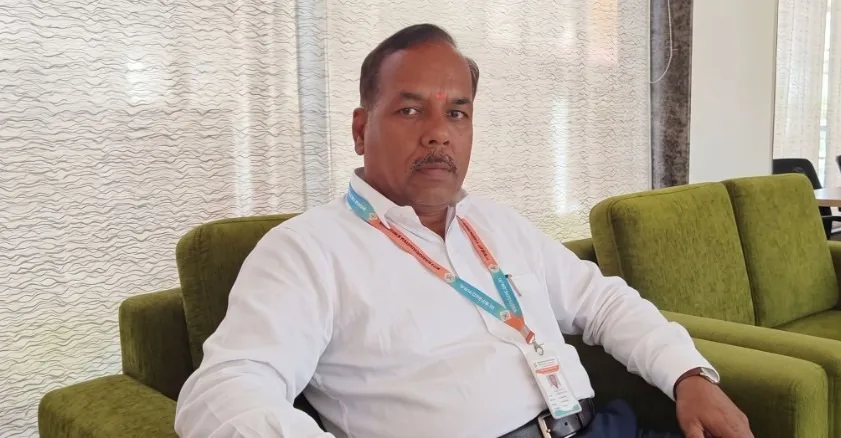
“Where a regular retailer buys a single unit of a product, Volume Partners buy a hundred, prompting companies to cut prices for them, discounts the Volume Partners then pass on in the market, leaving smaller retailers priced out,” said Sathyadharan, Founder of TNITTA.
GST Compliance Burden Falls Hardest on the Smallest Players
Limited earnings mean most small retailers cannot afford to appoint qualified accountants. Even minor errors in GST filing can result in annual penalties of Rs. 5,000 to Rs. 25,000, a significant hit to already-thin margins.
Compounding the problem, unregistered sellers who operate without proper GST registration, sometimes carrying stock in bags rather than a shop, undercut compliant traders. Some wholesalers are also selling second-quality CCTV cameras, keyboards and mice without GST at sharply reduced prices, making it near impossible for retailers selling genuine, quality products to compete.

“When traders from northern states sell second-quality goods at low prices while passing them off as first quality, customers settle for what appears to be an acceptable deal at the time, a shift that significantly damages the business of traders like us,” said J. Balaji, President of TNITTA.
MRP Violations Compound the GST Squeeze
Electronic component prices are climbing by the day, and some distributors are reportedly using this volatility to sell computer hardware well above Maximum Retail Price. Traders also allege that stock one or two years old, or units returned as warranty replacements, are being re-billed and sold as new.
This pricing practice creates a knock-on GST problem. Previously, when an Rs. 8,000 product sold for Rs. 8,100, 18% GST under the B2B framework applied only to the Rs. 100 margin. Now, when the same product sells for Rs. 15,000, GST is charged on the full Rs.7,000 margin. While this appears to boost government GST collections, retailers say their overall sales volumes have fallen sharply as a result.

“Distributors are selling products well above MRP, and when traders push back, they are bluntly told to return the goods instead, leaving us with no real alternative,” said Eswaravelu Ekambaram, owner of Digetal Waves.
Big-Box Retailers Get the EMI Edge
Retail scale also shapes access to financing tie-ups. EMI facilities are readily available at large stores, where company representatives are stationed on-site to process customer financing instantly. Small shops lack the resources to station dedicated staff for this. Despite having their own card-swiping machines, small retailers cannot offer the special credit card discounts and cashback offers that banks reserve for large stores, benefits that continue to draw customers toward big-box outlets.
Service Is the Differentiator, and the Vulnerability
For most small IT retailers, customer service, not product sales alone, is what keeps them in business, given how thin margins have become on hardware sales. Products typically carry a one-year manufacturer warranty, but companies increasingly charge customers directly for two- or three-year extended warranties, with repairs routed through official service centres. That shift has steadily eroded the after-sales service revenue retailers once relied on.
Even so, customers approach retailers first, not manufacturers. After installing a new CCTV system, for instance, retailers provide a full month of free basic support, from playback guidance to troubleshooting minor errors, before any fault requires an official service centre visit. Because those centres often take longer to resolve issues, customers frequently direct their frustration back at the retailer.
“Without service as our differentiator, many in the trad
e would have exited the business altogether. It is the immediate support we provide that keeps customers returning with trust,” said Sivakumar, Vice President, TNITTA.

Retailers Adapt as Security Technology Evolves
The IT retail and technology landscape is expected to shift considerably in the coming years, forcing traders to evolve alongside it. CCTV cameras, once considered a luxury or a large-enterprise requirement, are now standard home security equipment. Demand has expanded further into smart gate automation and sensor-based systems, while cybersecurity awareness has become a growing part of the retailer's role, including educating customers on setting strong passwords for connected devices rather than relying on default settings.
Association Steps Up Training and Advocacy
TNITTA has responded with a series of initiatives aimed at helping members keep pace. Beyond CCTV installation, the association is training retailers in IP networking, cybersecurity fundamentals, new camera technologies, hacking-prevention methods and proper installation practices.
To help offset the pricing advantage large-volume buyers enjoy, TNITTA has also organised collective bulk-purchase initiatives, allowing small traders to pool orders, buy at reduced rates and divide stock among themselves, effectively extending bulk-buying economics to businesses that could not access them individually.
On the compliance front, the association is pressing the government to more strictly monitor GST practices, pointing to traders from other states who bring in goods without paying GST and sell them in Tamil Nadu. Despite repeated representations, TNITTA says no decisive action has followed. The association is calling for stronger enforcement against such practices going forward, along with continued support for local retailers who, it argues, remain essential to ensuring customers receive quality products backed by reliable, accountable service.
Read More:
FITAG Strengthens Leadership Team & Expands Network to 48 IT Associations
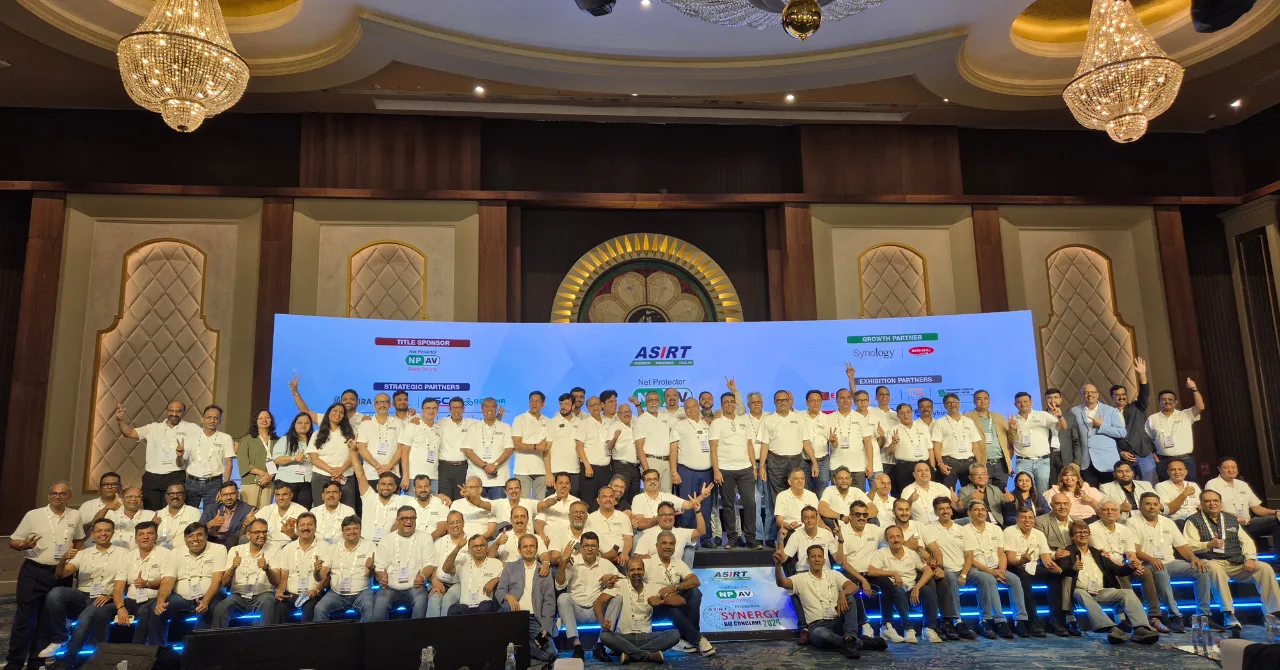
ASIRT Synergy Biz Conclave 2026: From trusted relationships to new business opportunities
ASIRT Synergy Biz Conclave 2026 Highlights Cybersecurity, Networking and Channel Opportunities
How Digital Platforms Are Transforming India's IT Distribution







 2 Min read