
Addverb on the rise of intelligent automation in manufacturing and logistics


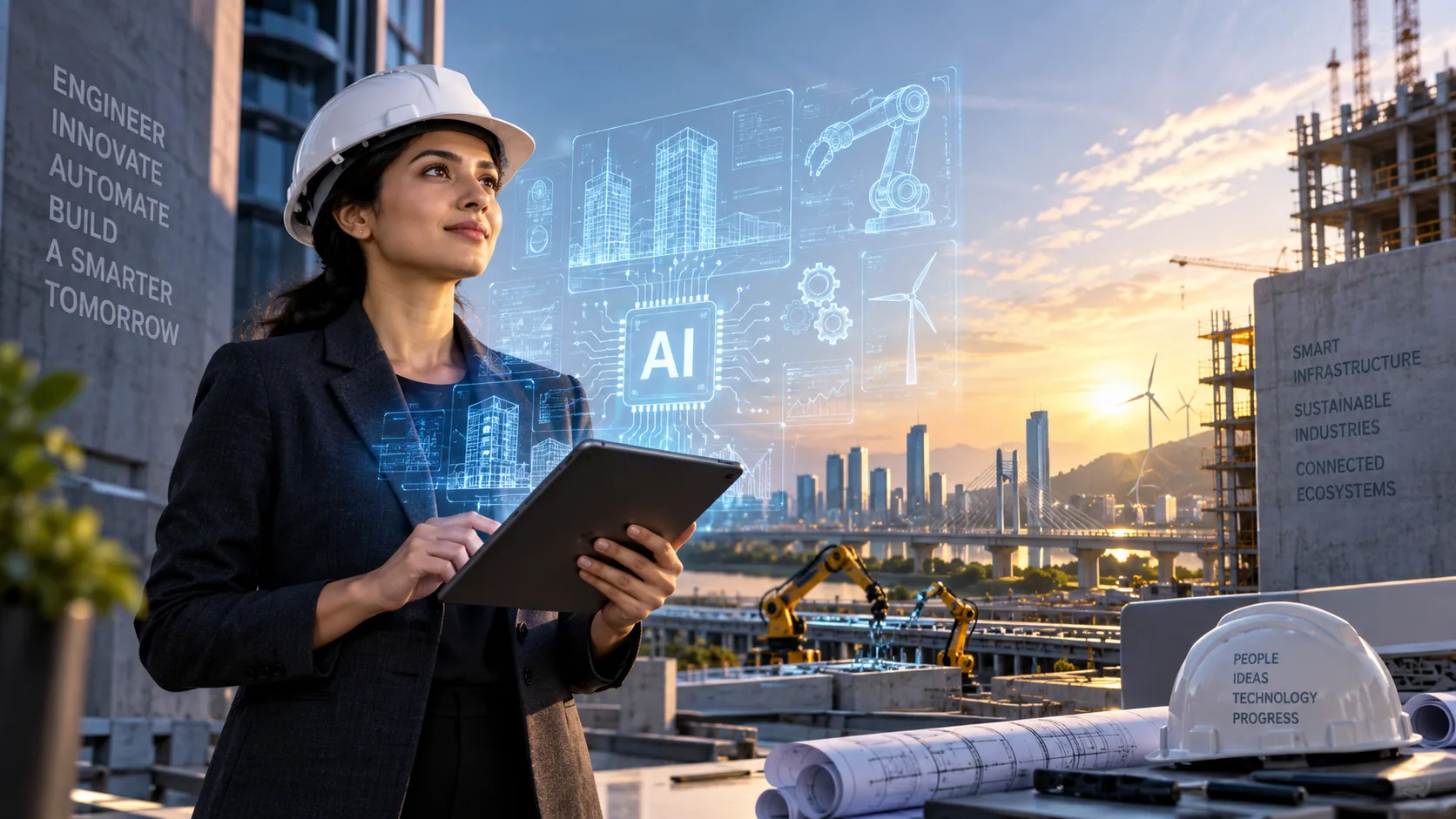
India’s automation landscape is moving far beyond isolated pilot deployments. Enterprises are increasingly integrating robotics, AI, analytics, and software systems into unified operational environments designed to improve efficiency, scalability, and responsiveness across industries.
According to Manish Jha, Chief Information Officer, Addverb, the industry is witnessing a structural shift where automation is no longer viewed as an experimental initiative but as a foundational layer of enterprise infrastructure.
“Automation is now seen as a fundamental component of the infrastructure in organisations today,” Jha said. “Businesses are looking for measurable outcomes such as efficiency, throughput, accuracy, and scalability.”
He explained that earlier automation deployments were often fragmented and limited in scope. Today, enterprises are integrating robotics, software platforms, and analytics systems into connected ecosystems powered increasingly by AI-driven intelligence and predictive operations.
Intelligent automation is transforming supply chains and manufacturing operations
Addverb believes automation is fundamentally reshaping how supply chains and manufacturing ecosystems operate. According to Jha, the industry focus has shifted from simple cost optimisation toward agility, operational continuity, resilience, and real-time responsiveness.
In high-volume environments such as retail, e-commerce, FMCG, and pharmaceuticals, robotics and automation are enabling faster order fulfilment, real-time inventory visibility, and greater operational consistency. These systems are also helping organisations reduce variability and operational errors while improving throughput.
“Automation is at the heart of creating resilient and responsive supply chains,” Jha said. “The impact is not incremental. It is transforming the supply chain structure and management itself.”
Jha noted that AI-driven systems are adding predictive capabilities to manufacturing and logistics environments. Organisations are now able to forecast demand patterns more effectively, optimise production schedules, and minimise operational downtime through intelligent orchestration systems.
Addverb believes scalable robotics requires a software-first architecture
Over the last decade, Addverb has focused on moving India’s automation ecosystem from siloed deployments toward scalable and intelligent automation systems integrated with software and AI capabilities.
Jha explained that building globally scalable robotics systems requires much more than deploying standalone machines. According to him, scalability is fundamentally an architectural challenge that depends on modular design, interoperability, software orchestration, and AI integration.
“Systems need to be designed so they can be integrated, adapted, and evolved across industries and geographies without needing to be completely redesigned,” he said.
Addverb believes the real value lies in creating coordinated automation ecosystems where robotics, analytics, orchestration layers, and AI-driven systems operate together rather than functioning as isolated technologies.
Jha also emphasised the importance of localisation in robotics deployment strategies. According to him, industrial automation systems must adapt to regional operational realities, workflows, cost structures, and industry-specific requirements to deliver measurable outcomes consistently across geographies.
Workforce transformation is being driven by augmentation, not replacement
As automation adoption accelerates, workforce transformation is becoming a major conversation across manufacturing and warehouse operations. However, Addverb believes automation is augmenting human capabilities rather than replacing workers entirely.
According to Jha, repetitive and physically demanding tasks are increasingly being automated, allowing workers to transition toward more value-driven roles that require technical oversight, decision-making, and collaboration with intelligent systems.
“The transformation of the workforce is happening through augmentation,” Jha said. “Technology is not replacing people; it is helping them work at a higher level.”
He added that this shift is creating a growing need for reskilling across robotics, AI, and digital operations. Human-machine collaboration is already becoming common across warehouses and manufacturing shop floors, while automation is also improving workplace safety and ergonomics.
India is positioning itself as a robotics and deep-tech innovation hub
Addverb believes India has the foundational strengths required to emerge as a major global hub for robotics and deep-tech innovation. According to Jha, India’s strong engineering talent base, expanding startup ecosystem, digital infrastructure investments, and manufacturing initiatives are creating favourable conditions for long-term growth.
“India is becoming a place of choice for manufacturing and innovation,” Jha said. “The next step is moving from developing capabilities to exporting globally competitive technologies.”
He also pointed to increasing focus on Industry 4.0, semiconductors, R&D investments, and industry-academic collaboration as critical pillars that will support India’s competitiveness in the global automation landscape.
According to Addverb, the larger opportunity now lies in building scalable technologies that are not only deployed domestically but also exported globally as part of India’s emerging deep-tech ecosystem.
Physical AI and humanoid robotics are moving toward practical applications
Addverb also sees physical AI becoming an important evolution in industrial robotics. According to Jha, the objective is not to replicate human cognition but to help machines interpret operational context and respond intelligently within defined environments.
Physical AI combines perception systems, sensors, learning capabilities, and real-time decision-making to enable machines to interact dynamically with the physical world. This is helping robotics move beyond rigid rule-based automation into adaptive operational models.
“Robots are now able to handle variability, work safely alongside humans, and operate in shared environments,” Jha said.
The company also sees humanoid robotics gradually moving from concept-stage demonstrations toward real industrial applications. Early deployments are focusing on tasks involving material handling, repetitive workflows, inspections, and structured warehouse operations.
Jha noted that adoption will continue to depend on measurable industrial outcomes, safety, deployment readiness, and return on investment rather than technological novelty alone.
“The strategy is becoming increasingly practical, with emphasis on solving real-world operational problems,” he said.
Read More:
Why AceCloud sees managed services as the future of cloud partnerships
Backup as a service: Synology shifts towards outcome-led cyber resilience






 2 Min read