RFID business in India gains momentum as channel sees new opportunities

India's barcode and RFID market is entering a period of transition as businesses look for faster ways to track products, manage inventory and use operational data. For channel partners, that shift is creating a new opportunity around RFID, even as adoption continues to face cost-related challenges.
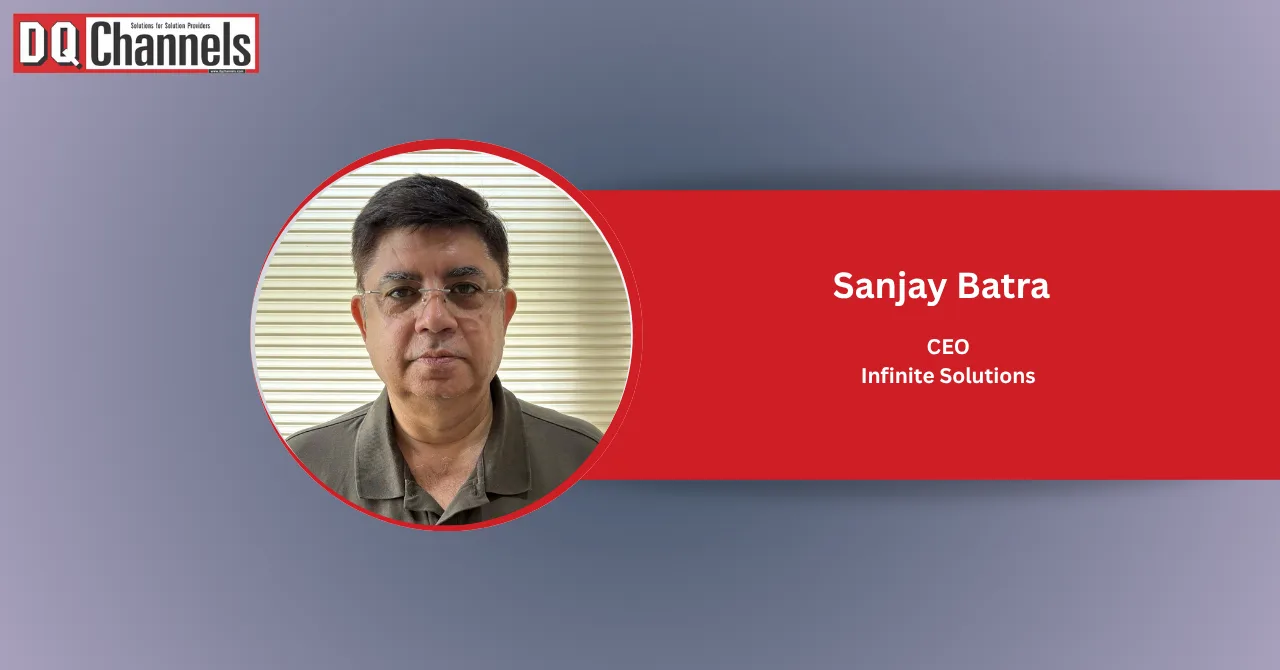
Sanjay Batra, CEO, Infinite Solutions, partner of TSC Auto ID, discussed his company's more than two-decade relationship with TSC, the evolution of its business and where he sees the next phase of RFID growth coming from.
From barcode distribution to a broader channel business
Infinite Solutions has been in the barcoding industry since 1999 and has been associated with TSC Auto ID for more than 20 years. Batra said the company initially worked with multiple brands before shifting its focus to TSC based on the support it received and the brand's pricing structure.
Over time, the relationship expanded from selling TSC products to importing, stocking and distributing products across India. Batra said Infinite Solutions now works with both end customers and partners across B2B and B2C markets.
"Our partnership with TSC has been instrumental in accelerating our growth, taking the business to multiple times its earlier scale while building a strong and sustainable market presence."
Batra expects the business to continue growing, with the company targeting approximately 25% annual growth in the years ahead.
RFID adoption is growing, but cost remains a barrier
According to Batra, RFID adoption has been increasing, although not at the pace initially expected. One of the key challenges is the higher cost of RFID tags compared with traditional barcodes.
“RFID tags are pretty expensive. So not everyone is wanting to change over from barcoding which is a very low cost product.”
However, he believes the potential return on investment can justify the higher initial cost. Adoption is already visible in areas such as jewellery, while other industries are gradually assessing the benefits.
A key difference is that RFID does not require the same line-of-sight scanning process associated with barcodes. Batra said businesses can scan multiple articles within a box, which can support faster tracking and provide more data for analysis.
Warehousing and logistics could lead RFID growth
Batra expects warehousing and logistics to be among the first areas to move more strongly towards RFID. The growth of distribution and the increasing need to track and trace products are creating demand for better inventory visibility.
Quick-commerce companies and their stores and dark stores are another potential area. Batra said these businesses currently use barcoding but could gradually shift towards RFID.
“Logistics probably would be and the warehousing would be the first one to change over to RFID because everyone is now looking at better ROI.”
Retail is another potential market, although Batra expects its transition to take longer. He believes retailers will ultimately represent a significant opportunity but will take time to convert from established barcode systems.
TSC events help strengthen partner relationships
Batra also highlighted the role of TSC's partner events in keeping the channel informed about developments in barcoding and RFID.
He said the events provide an opportunity to reconnect with existing partners while learning about new trends, RFID developments and upcoming printer products.
“These sessions are very informative because every year whatever new developments are happening in the field of barcoding and in the field of RFID, we come to know about all these updates.”
For distributors and partners, such sessions can also provide information about products and technologies from other participating companies, which Batra said can support sales opportunities.
RFID creates an opening for new partners
For channel partners considering entering the RFID business, Batra sees the current environment as an opportunity. He pointed to India's growth and the increasing requirement for warehousing and retail infrastructure as factors supporting future demand.
“If you are entering the RFID business it is a good time to enter into the RFID business.”
His view is that RFID adoption may take time, but the underlying opportunity is becoming clearer as businesses look for improved tracking, faster data capture and better returns from their technology investments.
For the channel, the transition will not necessarily mean the immediate replacement of barcoding. Instead, Batra's assessment points to a gradual expansion of RFID alongside existing barcode infrastructure, with warehousing and logistics likely to lead before retail catches up.
Read More:
What keeps a TSC Auto ID partnership going for nearly two decades?
Why data recovery could become another opportunity for IT channel partners


 2 Min read