Box-pushers to solution providers: Surat Association charts a new course for south Gujarat
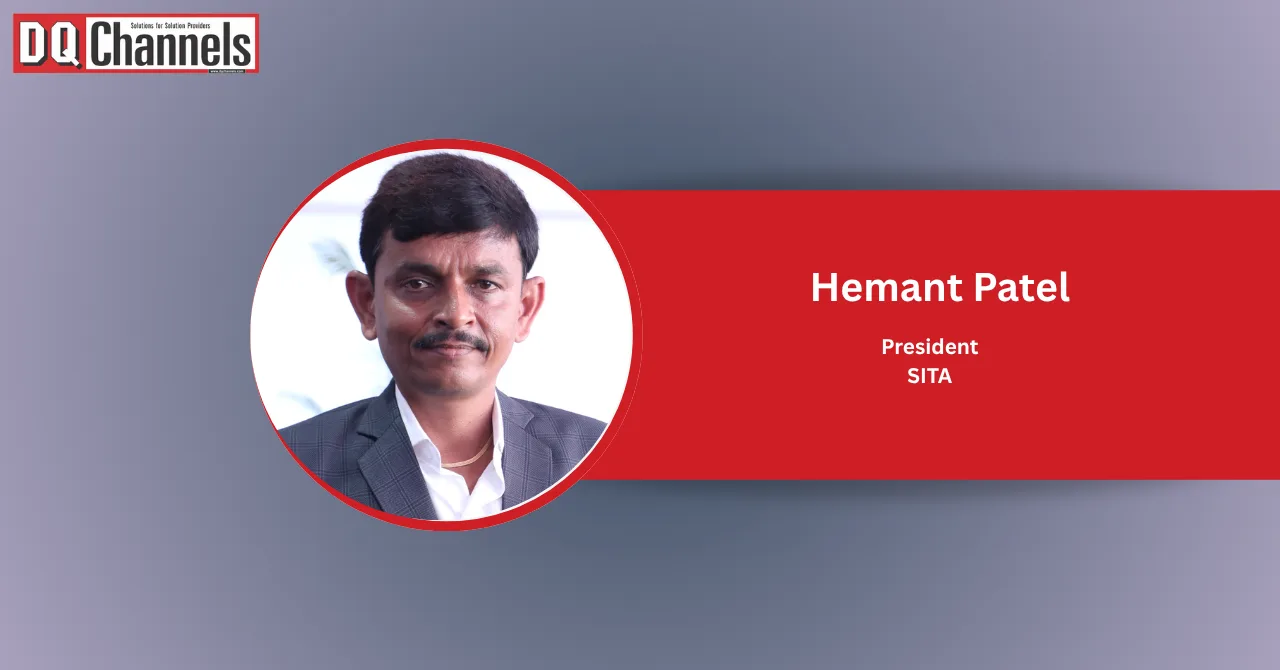
For over three decades, the South Gujarat Information Technologists Association (SITA) has been the quiet backbone of the region's IT trade — registering grievances, representing its members in policy corridors, and fostering a sense of community in one of India's fastest-growing commercial cities. Today, under the leadership of President Hemant Patel, the association is charting an ambitious new course — one that seeks to fundamentally transform how its members do business. Hemant interacts with DQ Channels on the association and their plans.
The big idea? Evolving from box-pushers to solution providers
"The IT trade in South Gujarat has matured considerably," says Hemant, "but many of our channel partners are still primarily seen as hardware resellers. The market is moving towards solutions — cybersecurity, cloud, managed services, advanced technologies — and SITA wants to ensure our members are not left behind."
A legacy built on credibility
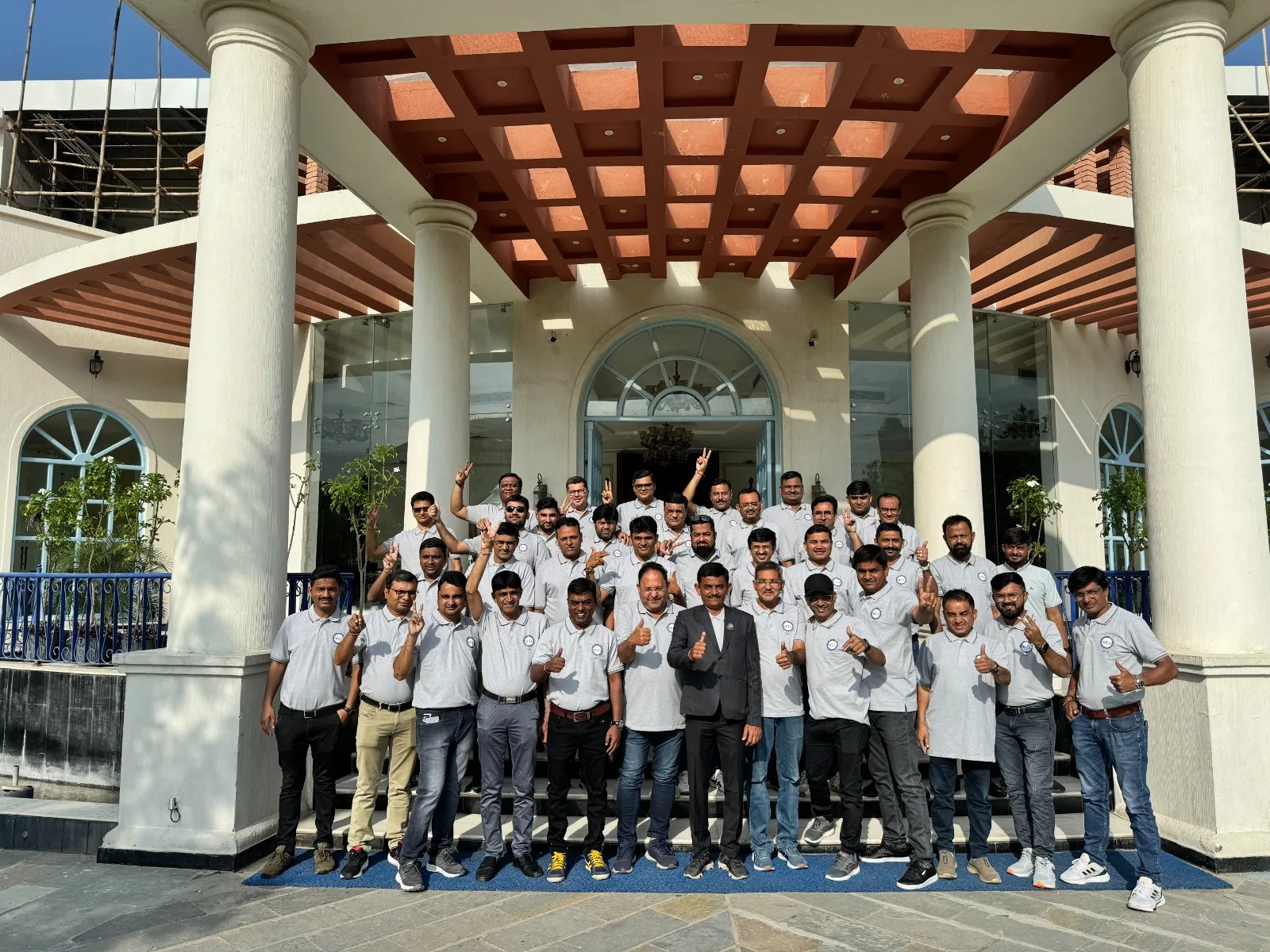
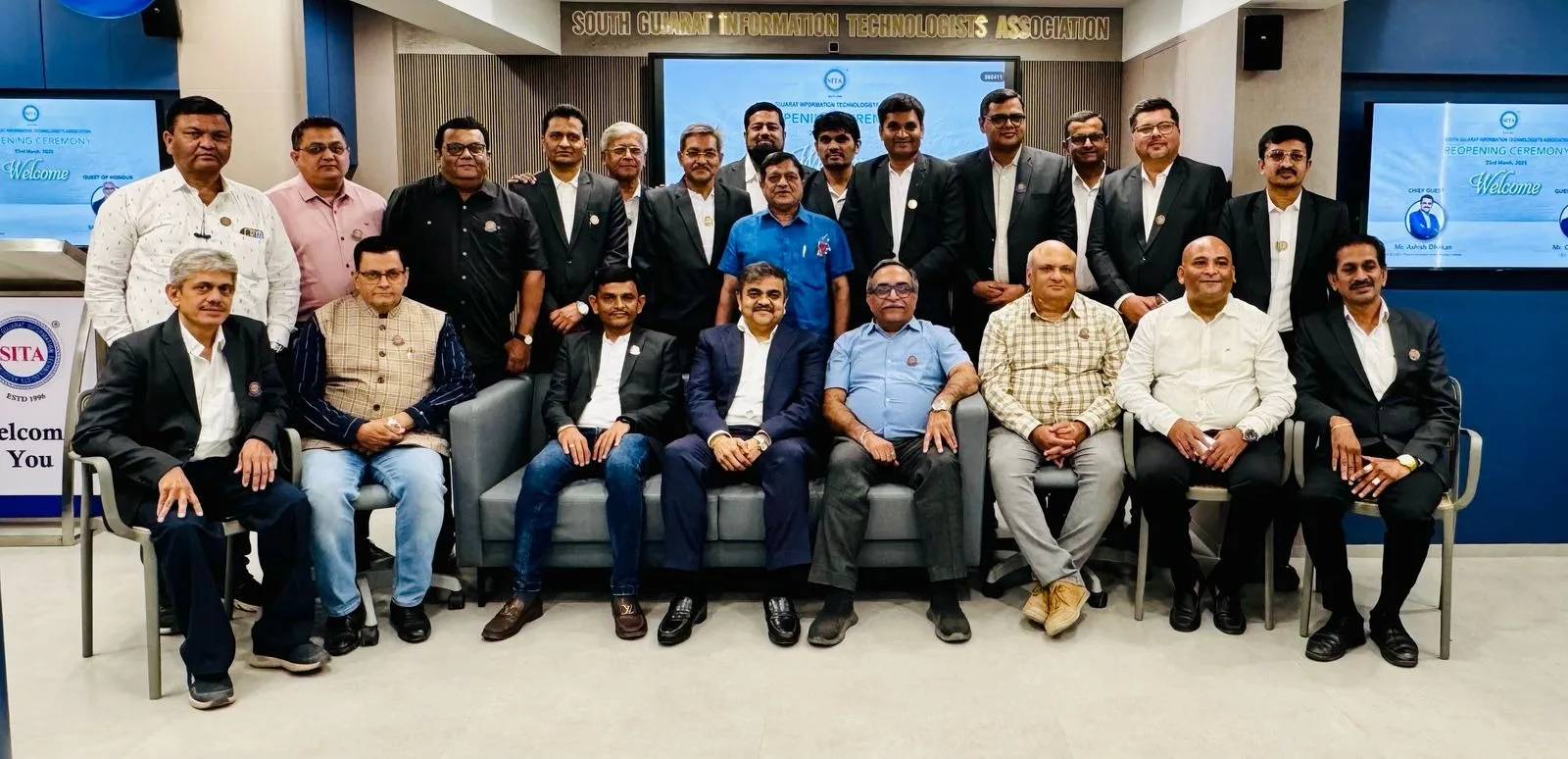
Founded in July 1996, SITA is among the oldest and most respected IT trade associations in India. Headquartered at Lalbhai Contractor Complex in Nanpura, Surat, the association covers a wide geographic sweep — from Vapi to Bharuch, encompassing Valsad, Navasari, Surat and Ankleshwar. Over 239 members are associated with the body, and more than 23 presidents have steered its course over the past three decades. This long institutional history gives SITA credibility that few regional IT associations in the country can match.
Yet credibility alone is no longer sufficient in a market undergoing rapid technological disruption.
Bridging the three-way gap
One of Hemant's most pressing concerns is a persistent structural challenge: the disconnect between government agencies, channel partners, and technology vendors. While Surat generates significant service revenue for IT businesses, the majority of government and large private-sector procurement decisions are taken in Ahmedabad. This geographical mismatch has long disadvantaged Surat-based channel partners, who often find themselves on the periphery of major deals despite delivering the actual service.
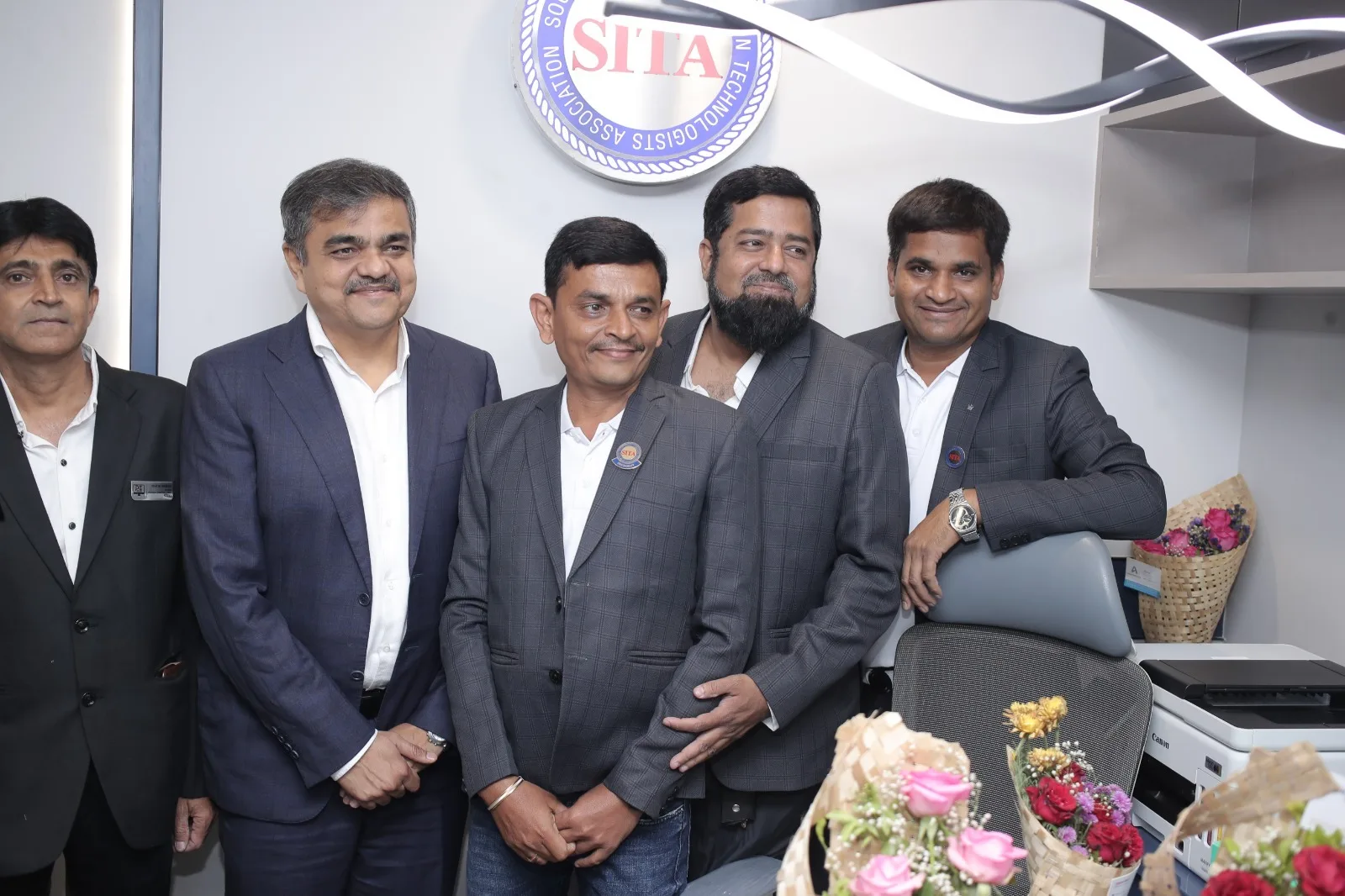
SITA is actively working to close this gap. The association maintains close ties with key institutional bodies, including the Gujarat Informatics Limited (GIL) and the Software Technology Parks of India (STPI), and consistently represents the fraternity in policy-making discussions. "We make sure our members have a seat at the table," says Hemant, "whether it is government tenders, policy formulation, or industry consultations."
More than business - A community
What sets SITA apart from many trade bodies is its deliberate emphasis on community, not just commerce. Regular meetings are organised not only for members but also for their families and staff, an approach that Hemant believes is vital to sustaining the morale and well-being of the fraternity.
The association has an active event calendar spanning cricket tournaments, blood donation camps, yoga sessions, group trips and social gatherings. Looking ahead, Hemant wants to institutionalise this further by building structured programmes around work-life balance, creating regular touchpoints for members, their families and their teams to connect outside the pressures of business.
"The IT trade is a high-stress environment. If we only talk business, we miss the human element. SITA has always believed that a healthy community makes for better businesspeople," he explains.
Surat's unique expo distinction
One of SITA's most distinctive contributions to the regional IT ecosystem is its dual-expo model. Surat is the only city in India where an IT association organises both a B2B and a B2C expo. While the B2B event creates business networking and vendor-partner opportunities, the B2C expo brings technology directly to consumers, reinforcing Surat's role as both a trade hub and a tech-aware marketplace. The association also actively facilitates member participation in major industry events and expos across the country, broadening exposure and business prospects for its community.
The road ahead: Skills over shipments
The most significant transformation SITA is now pursuing is the upskilling of its membership. Hemant is candid about the challenge: for years, a significant portion of the IT channel ecosystem has thrived on reselling hardware and software, pushing boxes from one end of the supply chain to the other. But as margins compress and enterprise buyers grow more sophisticated, that model is under strain.
SITA's response is a planned series of seminars and workshops focused on cutting-edge domains, cybersecurity, artificial intelligence, cloud infrastructure, and other advanced technologies. The goal is to equip channel partners with the knowledge and confidence to position themselves not as product distributors, but as technology advisors and solution architects.
"Our members are smart, experienced business people. They understand their customers better than any national vendor does. What they need is the technical depth and vocabulary to have the solutions conversation," Hemant says. "That is what SITA is going to help them develop."
In a city known for its entrepreneurial energy and commercial ambition, SITA's pivot toward knowledge-led transformation feels entirely in step with Surat's own evolution, from a regional trade city to a national economic powerhouse. If Hemant's vision holds, the IT professionals of South Gujarat are about to make a similar leap.
Read More:
From resale to resilience: AI reshapes the channel partner value story
AI channel transformation: why partners are moving from resale to managed services
Why AceCloud sees managed services as the future of cloud partnerships


 2 Min read